Same-Day Appointments Available

Keeping Your Pets Well Hydrated During the Holiday Season
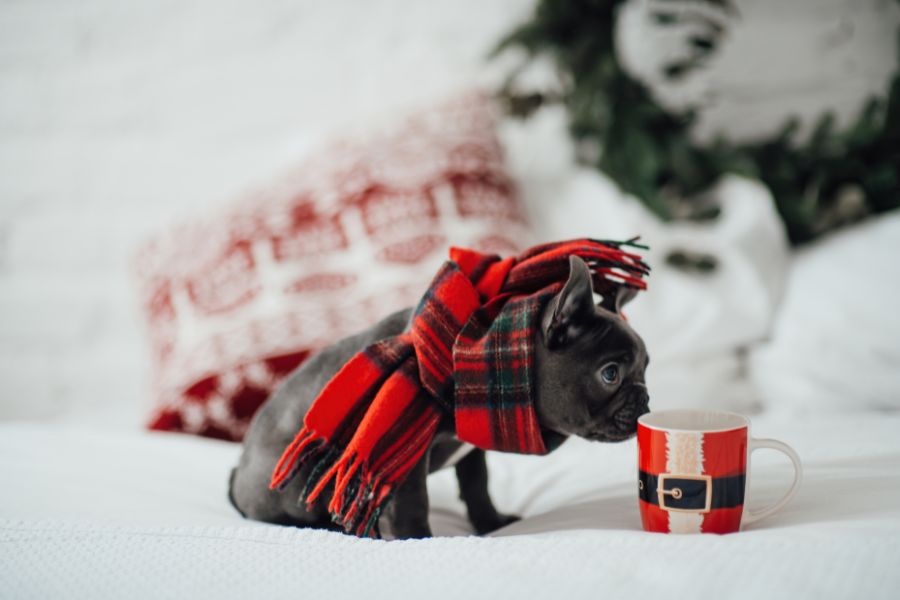
The Christmas season is often filled with joy, decorations, guests, and festive meals. However, during this busy time, an essential part of pet care can easily be overlooked—proper hydration. Dogs and cats rely on adequate water intake to regulate body temperature, support digestion, and maintain overall health. During the holidays, routines are often disrupted, which means hydration needs may not always be met.
Therefore, awareness should be raised about how Christmas activities can affect water consumption in pets. With the right approach, hydration can be maintained even during the busiest celebrations.
Why Hydration Matters for Dogs and Cats
Water plays a vital role in nearly every bodily function. In dogs and cats, hydration supports kidney function, circulation, joint lubrication, and temperature control. When enough water is not consumed, dehydration can develop, which may lead to serious health concerns.
During winter, thirst signals are often reduced. As a result, pets may drink less water even though their bodies still require it. Additionally, heated indoor environments can cause moisture loss, making hydration even more important during Christmas.
Common Holiday Factors That Reduce Hydration
Several festive factors can interfere with normal drinking habits. First, household routines are often changed. Feeding and walking schedules may be shifted, and water bowls may be moved or accidentally left empty.
Moreover, holiday foods can also play a role. Salty treats, cooked meats, and table scraps are sometimes shared with pets. Consequently, water needs may increase, but this need may not always be recognized.
In addition, travel and visitors can create stress. Stressed pets are often less inclined to drink water. Therefore, hydration issues may develop quietly if attention is not paid.
Signs of Dehydration to Watch For
Early signs of dehydration should always be recognized. In dogs and cats, the following symptoms are commonly observed:
- Dry or sticky gums
- Lethargy or reduced energy
- Sunken eyes
- Loss of skin elasticity
- Decreased appetite
If these signs are noticed, water intake should be encouraged immediately. However, if symptoms persist, veterinary care should be sought without delay.
Christmas Hydration Tips for Dogs
1. Fresh Water Should Always Be Available
First and foremost, clean and fresh water should be provided at all times. During Christmas gatherings, bowls may be kicked over or blocked by decorations. Therefore, water stations should be checked frequently and refilled as needed.
Additionally, multiple water bowls can be placed around the home. This ensures access even when one area becomes crowded with guests.
2. Wet Food Can Be Added to Meals
To increase water intake, wet food can be mixed with regular meals. This method is especially helpful for dogs that are reluctant to drink water on their own. As a result, hydration can be improved without causing stress.
However, sudden dietary changes should be avoided. New foods should always be introduced gradually.
3. Ice Cubes Can Be Used as Treats
Plain ice cubes can be offered as a safe and simple treat. Some dogs enjoy chewing ice, and hydration can be increased in the process. For variety, ice cubes can be made using diluted, pet-safe broth.
Christmas Hydration Tips for Cats
1. Water Bowls Should Be Placed Strategically
Cats are often selective about where they drink. Therefore, water bowls should be kept away from litter boxes and noisy areas. During Christmas, quiet corners can be chosen to encourage drinking.
Moreover, bowls should be cleaned daily, as cats are sensitive to smells and residue.
2. Water Fountains Can Encourage Drinking
Running water is often preferred by cats. As a result, pet water fountains can be used to stimulate interest and increase water intake. During winter, this can be especially helpful for cats that consume mostly dry food.
3. Moisture-Rich Foods Should Be Considered
Canned or wet cat food contains a high percentage of water. When included in meals, overall hydration can be improved naturally. This approach is particularly beneficial for cats with urinary or kidney concerns.
Hydration Safety During Festive Activities
During Christmas, certain hazards should be avoided. Alcoholic drinks, caffeinated beverages, and sugary drinks should never be shared with pets. These substances can cause dehydration and toxicity.
Additionally, decorative items such as snow globes and antifreeze should be kept out of reach. Many antifreeze products contain chemicals that are extremely dangerous to pets, even in small amounts.
Travel and Hydration During the Holidays
If travel is planned, hydration should not be neglected. Portable water bowls and bottled water should be packed. Regular water breaks should be scheduled during long journeys.
Furthermore, pets should be encouraged to drink after arriving at a new location. Familiar bowls can be used to reduce stress and promote normal drinking behavior.
Creating a Consistent Hydration Routine
Consistency is key during the holidays. Even though schedules may change, feeding and watering routines should be maintained as closely as possible. Reminders can be set to check water levels throughout the day.
By keeping hydration a priority, many common holiday health issues can be prevented.
When Veterinary Advice Should Be Sought
If a dog or cat refuses to drink for an extended period, professional advice should be obtained. Dehydration can worsen quickly, especially in senior pets or those with underlying conditions.
If concerns arise at any point during the holiday season, it is recommended to contact us to ensure your pet’s hydration and overall health are properly evaluated.
Frequently Asked Questions (FAQs):
1. How much water should dogs and cats drink daily?
A: Generally, dogs need about one ounce of water per pound of body weight per day. Cats usually require less, especially if wet food is fed. However, needs can vary based on diet and activity.
2. Do pets need more water during winter?
A: Yes, indoor heating and dry air can increase fluid loss. Even though thirst may seem reduced, water intake remains important.
3. Can holiday foods cause dehydration in pets?
A: Salty or rich foods can increase thirst and strain the body. Therefore, holiday table scraps should be avoided.
4. Are water additives safe to encourage drinking?
A: Only veterinarian-approved additives should be used. Some flavorings may contain ingredients that are unsafe for pets.
5. What should be done if dehydration is suspected?
A: Fresh water should be offered immediately. If symptoms do not improve, veterinary care should be sought promptly.
Related Articles