Same-Day Appointments Available


What Happens During a Pet Wellness Exam and Why It Matters
If you share your home with a dog or cat, a routine pet wellness exam is one of the most important things you can do for their health. Many pet owners skip annual visits when their pet seems fine. That is a mistake. A wellness exam is not just for sick animals. It is a proactive check-in that catches problems before they become painful, expensive, or life-threatening. Veterinarians are trained to spot early warning signs that owners simply cannot see at home. From listening to the heart to checking for lumps that were not there last year, every part of the exam has a purpose. Vermont winters are long, and pets face real seasonal health stressors throughout the year. A routine checkup gives your vet the full picture of your pet’s health, every single year.
What Is a Pet Wellness Exam?
A pet wellness exam is a head-to-tail physical evaluation performed by a licensed veterinarian. It is designed to assess your pet’s overall health, catch early signs of disease, and keep vaccinations and parasite prevention current.
Most wellness exams take 30 to 45 minutes. That time is used efficiently. The vet is gathering data from every part of your pet’s body, not just the area where something seems wrong.
According to the American Veterinary Medical Association (AVMA), annual wellness exams are one of the most effective ways to extend a pet’s healthy life. Pets age faster than people. A year between checkups can be equivalent to several human years of health changes.
What Vets Check During Exam Visits
What do vets actually check during a wellness exam? A thorough exam covers every major body system from nose to tail. Here is what happens, step by step:
- Weight and body condition score. Unexplained weight gain or loss is often the first sign of a thyroid issue, diabetes, or organ disease.
- Eyes and ears. Cloudiness, discharge, redness, or wax buildup can signal infection, allergies, or early vision decline.
- Teeth and gums. Dental disease affects an estimated 80% of dogs and 70% of cats over age three. A quick oral exam catches it early.
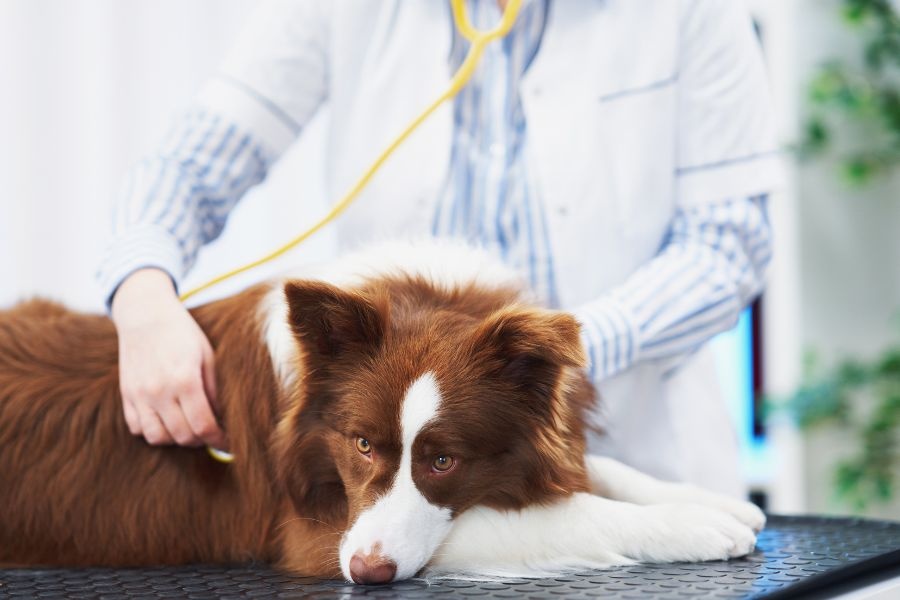
- Heart and lungs. A stethoscope check listens for irregular heartbeats, murmurs, or abnormal breathing sounds.
- Abdomen. Palpation checks the size and texture of organs. An enlarged spleen or tender abdomen can point to serious internal issues.
- Skin and coat. Lumps, bumps, hair loss, and skin texture changes are documented and compared year to year.
- Lymph nodes. Swollen nodes can be an early indicator of infection or immune system activity.
- Joints and mobility. Especially important for senior pets, gait and flexibility checks help identify early arthritis.
In our experience, pet owners are often surprised by how much information comes from a simple physical exam, even without lab work.
Annual Vet Checkup Benefits Go Beyond Vaccines
Many pet owners think a yearly visit is just for shots. The annual vet checkup benefits go much further than updating vaccines.
A wellness visit includes a conversation. Your vet will ask about changes in appetite, thirst, energy, litter box habits, or behavior. Those answers help build a complete picture. Something you mention offhandedly, like “she drinks more water lately,” can trigger a blood glucose test that catches early diabetes.
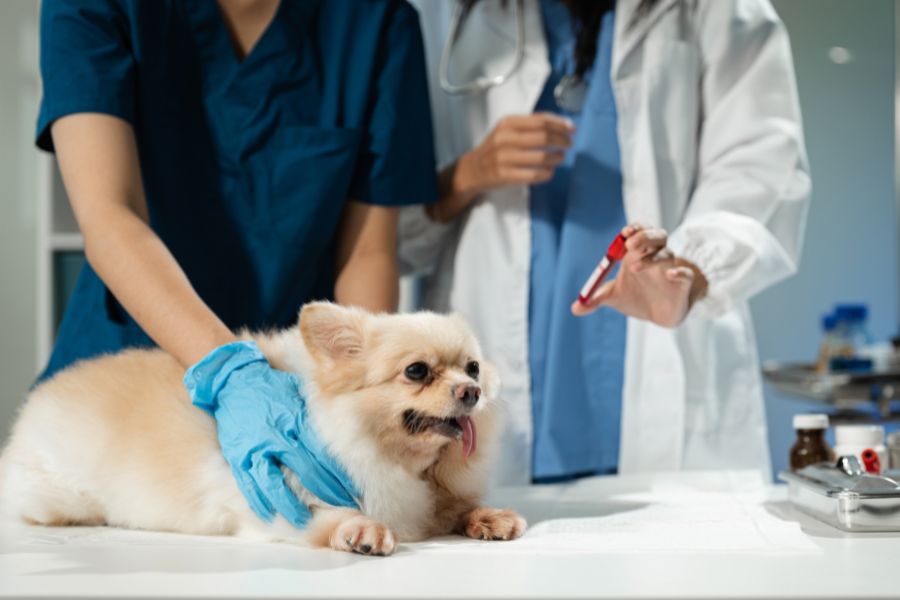
Bloodwork, urinalysis, fecal testing, and heartworm checks are often recommended alongside the exam. These tests identify organ dysfunction, parasites, and other conditions that have no visible symptoms. Catching a kidney issue at stage one versus stage four makes an enormous difference in outcome and treatment cost.
Pet owners often tell us they wish they had come in sooner. Annual checkups create a baseline. When something changes, your vet has data to compare it against.
Pet Preventive Care Visits and Vermont’s Seasonal Risks
Vermont’s climate creates real seasonal health risks for pets. Tick season in central Vermont starts earlier than most people expect. Ticks carrying Lyme disease, anaplasmosis, and ehrlichiosis are active from early spring through late fall.
A pet preventive care visit is the right time to review and update parasite prevention. Your vet will recommend the right flea, tick, and heartworm protection based on your pet’s lifestyle, whether they are indoor-only, trail hikers, or farm dogs.
We frequently remind our clients that even indoor cats can be exposed to parasites brought in on clothing or shoes. Parasite prevention is not just for outdoor pets.
One common misconception is that a pet only needs to see the vet when something is wrong. In reality, waiting for symptoms means the disease has already progressed. Preventive care is always less expensive and less stressful than treating an advanced condition.
The AAHA (American Animal Hospital Association) recommends that healthy adult dogs and cats receive a full wellness exam at least once per year, with senior pets seen every six months.
Early Disease Detection in Pets: Why Timing Matters
Early disease detection in pets dramatically improves outcomes across almost every condition. Cancer, kidney disease, hyperthyroidism, diabetes, and heart disease are all more treatable when caught in the early stages.
Many dogs and cats we see are stoic animals. They hide discomfort well. A pet that seems happy and energetic can still have a developing condition that will not show obvious symptoms for months.
Bloodwork and urinalysis run during a wellness visit can detect kidney changes before your pet shows any signs of illness. At that stage, a simple diet adjustment or medication can slow the disease significantly. By the time a pet is visibly sick, the condition is often advanced.
Early disease detection in pets is not about being anxious. It is about giving your veterinarian the tools to act while there are still good options on the table.
Why Your Pet Deserves a Yearly Checkup
A pet wellness exam is not a luxury. It is one of the most responsible decisions a pet owner can make. Regular checkups keep your dog or cat protected from parasites, up to date on vaccines, and monitored for the slow-developing conditions that are easiest to treat early.
Berlin and central Vermont pet owners face real seasonal challenges, from tick exposure to cold-weather joint stress in senior animals. Your vet is your partner in navigating all of it.
At Onion River Animal Hospital, our vet team is here to give your pet a thorough, caring exam every year. We take the time to answer your questions and make sure you leave with a clear picture of your pet’s health. Do not wait until something looks wrong. The best time for a wellness visit is before there is a problem. Book an appointment today.
Frequently Asked Questions
How often should I bring my pet in for a wellness exam?
Ans: Healthy adult dogs and cats should have a wellness exam once per year. Senior pets, generally those over seven years old, benefit from exams every six months. More frequent visits allow vets to monitor age-related changes closely and catch problems earlier.
What should I bring to my pet’s wellness exam?
Ans: Bring any previous vet records if you are visiting a new clinic, a list of current medications or supplements, and a fresh fecal sample if your vet requests one. Also, write down any behavioral or physical changes you have noticed, no matter how minor they seem.
Is bloodwork required at every wellness exam?
Ans: Bloodwork is not always required at every visit, but it is strongly recommended, especially for pets over five years old. A complete blood panel checks organ function, blood cell counts, and other markers that cannot be assessed during a physical exam alone.
My pet seems perfectly healthy. Do they still need an annual checkup?
Ans: Yes. Many serious conditions, including kidney disease, diabetes, and heart disease, develop gradually with no visible symptoms in the early stages. A wellness exam gives your vet the chance to catch these issues before your pet shows any signs of illness.