Same-Day Appointments Available

How Often Should You Replace Your Pet’s Toys?
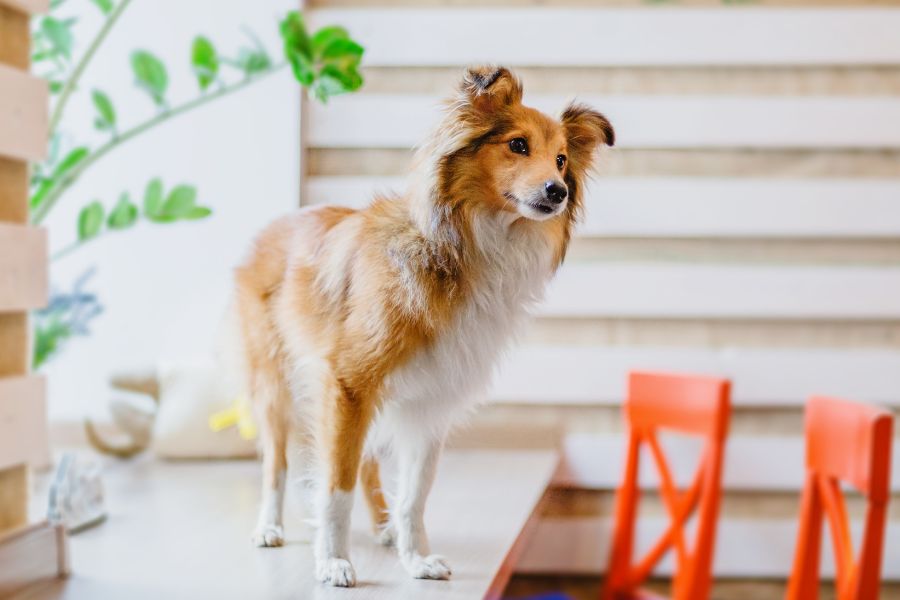
Your dog drops a soggy rope toy at your feet. You toss it back. Tail wagging, the game continues. But here is the question most pet owners never think to ask: how long has that toy actually been safe to use? A complete pet toy replacement guide is something every dog and cat owner needs, yet it rarely comes up until a problem occurs. Worn toys can harbor bacteria, shed dangerous fibers, or break into pieces small enough to swallow. Most pet owners are surprised to learn that toys they consider “barely used” may already be posing a real risk. This article walks you through how often to replace your pet’s toys, what warning signs to look for, and how to keep your companion safe during every play session.
Why Pet Toy Lifespan Matters More Than You Think
Toys are not just entertainment. They support mental stimulation, physical activity, and healthy behavior in both dogs and cats. But like any tool that sees daily use, they degrade over time.
Rubber toys can crack and develop sharp edges. Plush toys lose stuffing. Rope toys fray into long, stringy fibers. Each of these breakdown patterns creates a potential hazard for your pet.
In our experience, many pet owners hold onto toys far past the point of safety simply because their pet has a favorite. That attachment is understandable, but a cracked chew toy or a plush with exposed stuffing is not worth the risk.
Estimates suggest that gastrointestinal foreign body ingestion is one of the most common reasons dogs need surgical intervention, and toy fragments are a frequent culprit. Staying ahead of wear keeps your pet out of the exam room and playing safely at home.
When Should You Replace Your Pet’s Toys?
Replace your pet’s toys when you notice cracks, fraying, missing pieces, exposed stuffing, or a strong odor that does not wash out. As a general rule, inspect every toy at least once a week and discard any toy that shows visible structural damage, no matter how recently it was purchased.
Here is a practical replacement timeline by toy type:
- Rubber chew toys: Inspect weekly. Replace as soon as you see cracks, deep grooves, or chunks missing.
- Plush and stuffed toys: Inspect after every play session. Replace when seams tear, stuffing appears, or squeakers become exposed.
- Rope toys: Inspect weekly. Replace when strands begin to separate or the toy loses more than 20 percent of its original shape.
- Hard plastic toys: Inspect weekly. Replace immediately if cracking or splintering begins.
- Interactive puzzle toys: Clean weekly and inspect for cracks in plastic parts. Replace components that no longer fit together snugly.
Knowing when to replace pet toys is one of the simplest ways to prevent accidental ingestion injuries.
Signs Your Pet’s Toy Needs to Go
Some warning signs are obvious. Others are easy to miss if you are not looking closely.
- Visible cracks or splinters: Hard rubber or plastic can fracture and leave sharp edges that cut gums or cheeks.
- Exposed stuffing or filling: Polyester filling can form a dense blockage if swallowed in large amounts.
- Frayed or loose strings: A single strand of rope fiber, once swallowed, can wrap around intestinal tissue.
- Mold or persistent odor: Toys that stay damp, especially rope toys, can grow mold. A smell that survives a thorough wash is a red flag.
- Missing squeaker or rattle: If the internal noisemaker is gone, your pet may have swallowed it.
- Chewed-down size: Any toy your pet has chewed down small enough to fit entirely in their mouth should be replaced immediately.
Pet owners often tell us they assumed their dog would stop chewing once a toy started falling apart. The opposite is usually true. Dogs often chew harder as toys break down, accelerating the risk.
If you notice any of these signs, remove the toy right away and contact your nearest veterinarian if you suspect your pet has swallowed any fragments.
How to Choose Safe Toys for Pets
Choosing the right toy from the start extends its usable life and reduces hazard risk. Here is what to look for:
Safe toys for pets share a few key characteristics. They are sized appropriately for the animal, made from non-toxic materials, free of small detachable parts, and durable enough to withstand your pet’s chewing strength.
For dogs, match toy toughness to chew intensity. A gentle chewer does fine with a plush toy. A power chewer needs thick, reinforced rubber rated for heavy use. A toy that collapses or tears within minutes of first use was never the right choice for that dog.
For cats, look for toys without small bells, eyes, or attachments that can be bitten off and swallowed. Wand toys should always be put away after supervised play, never left out unsupervised.
We frequently remind our clients in Berlin, VT that Vermont winters mean pets spend more time indoors, which increases daily toy use significantly. A toy that might last three months in a low-activity household may wear out in six weeks during a long winter stretch.
Cleaning, Storage, and Knowing When Enough Is Enough
Clean toys regularly to reduce bacterial buildup, but cleaning does not reverse physical damage. A cracked rubber toy is still cracked after washing.
Here are basic care habits that extend toy life:
- Wash rubber and plastic toys with dish soap and warm water weekly.
- Machine wash plush toys every one to two weeks on a gentle cycle and air dry completely before returning them to your pet.
- Never microwave toys to dry them. This warps plastic and rubber.
- Store toys in a dry, ventilated container. Sealed bins trap moisture and encourage mold.
Worn-out pet toys should be discarded, not repaired. Knitting a rope toy back together or re-stuffing a plush with cotton balls creates new hazards. If the toy cannot be washed clean or has lost structural integrity, replace it.
Worn-out pet toys that a cat has soaked with saliva or a dog has ground down with their back molars are doing more harm than good, even if they are technically still in one piece.
At Onion River Animal Hospital, we talk to pet owners about toy safety during wellness visits because the connection between playtime and overall pet health is real. A safe toy routine supports healthy teeth, engaged behavior, and fewer unplanned vet visits.
Keep Playtime Safe, Simple, and Consistent
A good pet toy replacement guide is not complicated. Inspect toys every week. Replace them the moment you see damage. Match toy type to your pet’s size and chewing habits. Clean regularly, but know that cleaning is not a substitute for replacement.
Following a consistent pet toy replacement guide protects your pet from ingestion injuries, dental damage, and bacterial exposure. Staying on top of toy wear is a small habit with a big impact on your pet’s long-term health and safety. If you ever have questions about what toys are appropriate for your pet’s age, breed, or health status, bring them up at your next visit. The team at Onion River Animal Hospital is always glad to help you make the right call. Book an appointment today.
Frequently Asked Questions
Q: How often should I replace my dog’s chew toys?
Ans: Inspect chew toys at least once a week and replace them immediately if you see cracks, deep grooves, or chunks that have been chewed off. Even without visible damage, most rubber chew toys should be replaced every few months with regular use.
Q: Can worn pet toys make my dog or cat sick?
Ans: Yes. Worn toys can harbor bacteria and mold, especially if they stay damp. Frayed or cracked toys also pose ingestion risks if pieces break off and are swallowed. Remove any toy that cannot be thoroughly cleaned or that shows physical damage.
Q: Are rope toys safe for dogs?
Ans: Rope toys are safe when used under supervision and replaced as soon as strands begin to separate. Loose rope fibers can cause serious intestinal problems if swallowed. Never leave a dog unsupervised with a rope toy that is showing wear.
Q: How do I know if my pet swallowed part of a toy?
Ans: Watch for vomiting, loss of appetite, lethargy, or changes in bowel movements. These can be signs of an intestinal blockage. Contact your veterinarian promptly if you suspect your pet has swallowed a toy fragment.
Q: What toys are safest for heavy-chewing dogs?
Ans: Look for thick rubber toys specifically labeled for power or aggressive chewers. Avoid toys with rope, soft plush, or thin plastic if your dog destroys toys quickly. Your veterinarian can help you identify the safest options based on your dog’s size and chewing behavior.