Same-Day Appointments Available


Walk-In Pet Urgent Care: What to Expect on Your First Visit
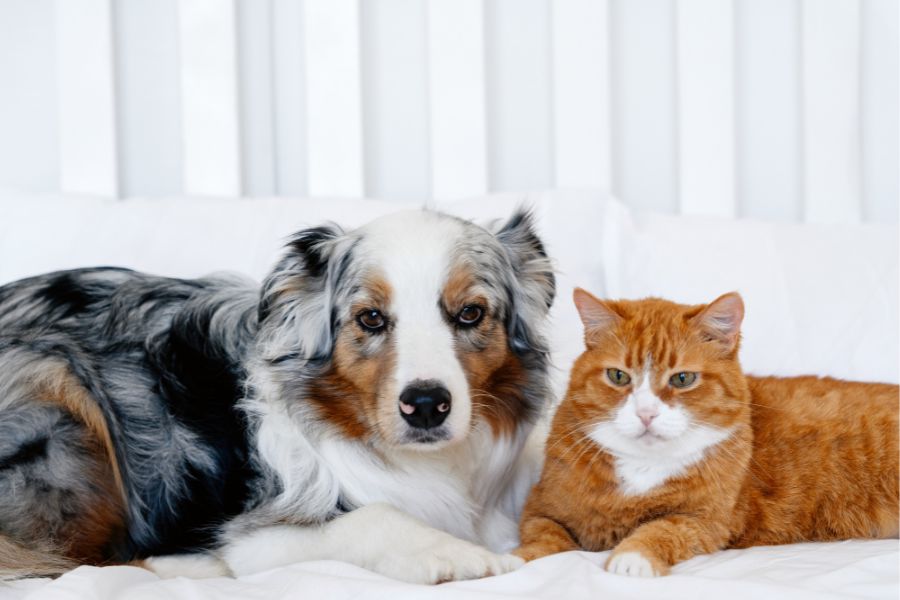
Your dog is limping. Your cat hasn’t eaten in two days. You know something is wrong, but your regular vet has no openings until next week. That gap is exactly why walk-in pet urgent care exists. It gives pet owners a same-day option when waiting simply is not safe. Many pet owners have never used a walk-in clinic before and feel unsure about what happens when they arrive. This article walks you through the entire process, from the moment you pull into the parking lot to the moment you drive home with a care plan in hand. You will know what to expect, what to bring, and how to help your pet feel as calm as possible. Being prepared makes the visit smoother for you and faster for your pet.
What Is Walk-In Pet Urgent Care and Why Does It Matter
Walk-in pet urgent care fills the space between a routine wellness visit and a full emergency hospital. It handles conditions that need attention today but are not immediately life-threatening. Think of vomiting that has lasted more than 24 hours, a mild eye injury, a skin infection, or a paw that will not stop bleeding.
These clinics operate without scheduled appointments for urgent cases. You arrive, check in, and a veterinarian sees your pet based on the severity of their condition. The sickest patients are seen first, not the ones who arrived first.
An estimated 1 in 3 pet owners has delayed care for a sick pet simply because they could not get a same-day appointment with their regular vet. Walk-in urgent care exists specifically to close that gap. It is not a replacement for your primary vet. It is a bridge when time matters.
Pet Symptoms That Need a Vet Today
Knowing when to go is the hardest part. Many pet owners second-guess themselves and wait too long. Here are the most common signs that your pet should be seen today, not next week.
- Vomiting or diarrhea lasting more than 24 hours: Dehydration sets in quickly, especially in small dogs and cats.
- Limping or sudden inability to bear weight: This can signal a fracture, sprain, or joint injury that worsens without treatment.
- Eye redness, discharge, or squinting: Eye conditions deteriorate fast. A small scratch can become a serious ulcer within 48 hours.
- Wounds that will not stop bleeding: Any laceration that bleeds through a cloth in under 10 minutes needs prompt veterinary care.
- Straining to urinate: In cats, especially, this can become life-threatening within hours.
These pet symptoms need vet attention the same day. If you are unsure whether your pet’s condition qualifies, call ahead. A quick phone conversation can help you decide.
In our experience, many pet owners wait an extra day, hoping the problem resolves on its own. Most minor issues do clear up. But the ones that do not can become significantly harder to treat with every passing hour.
What to Expect at Onion River Animal Hospital on Your First Visit
Knowing the steps ahead of time removes a lot of the anxiety from a stressful situation. Here is exactly what happens when you arrive at our vet clinic in Berlin for a walk-in visit.
- Check in at the front desk. A team member will ask for your pet’s name, age, breed, and a brief description of the problem. If you have never visited before, you will complete a short new patient form.
- Triage assessment. A veterinary technician will take your pet’s vitals, including temperature, heart rate, and respiratory rate. They will note any visible symptoms.
- Wait for the veterinarian. Wait times vary based on how many patients are ahead of you and how critical each case is. Bring a leash, a carrier, and a calm demeanor. Your pet reads your energy.
- The exam. The veterinarian will perform a focused physical exam, ask follow-up questions, and may recommend diagnostics such as bloodwork or X-rays depending on the situation.
- Treatment and discharge plan. Once a diagnosis is reached, your pet will receive treatment on-site when possible. You will leave with clear written instructions and any necessary medications.
Urgent vet visit tips that make a real difference: write down your pet’s symptoms and when they started before you arrive. That information helps the vet move faster and make better decisions.
Why Vermont Pets Face Unique Seasonal Risks
Vermont’s climate creates specific health hazards that pet owners here deal with year-round. Cold winters bring frostbite risk to paws and ears. Mud season means increased exposure to standing water, parasites, and leptospirosis. Warm summers bring tick activity that peaks from late spring through early fall.
One common misconception among Vermont pet owners is that indoor cats do not need the same level of seasonal vigilance as dogs. In reality, indoor cats are still exposed to parasites tracked in on shoes and clothing, and they can develop stress-related conditions during seasonal household changes.
Same-day vet appointment needs spike in Berlin and across central Vermont every spring and fall. If your pet spends any time outdoors, a seasonal wellness check can catch problems before they become urgent. Prevention is always faster and less stressful than treatment.
How to Choose the Right Walk-In Clinic for Your Pet
Not all urgent care clinics offer the same level of service. Here is what to look for when deciding where to take your pet on a difficult day.
Does the clinic have diagnostic equipment on-site? Bloodwork, urinalysis, and digital X-rays should all be available without sending your pet to an outside lab. Faster results mean faster treatment.
Is the staff experienced with both dogs and cats? Some clinics specialize. Make sure the team is comfortable with your specific pet.
What to bring to a vet visit items matter more than most owners realize. Bring your pet’s vaccination records if you have them, a list of current medications, and a note of any known allergies. If your pet is on a special diet, mention that during triage.
At Onion River Animal Hospital, our vet team in Berlin is trained to handle a wide range of urgent conditions with the same care we give to every scheduled patient. We believe every pet deserves to be seen promptly when they need help.
Conclusion
Walk-in pet urgent care is one of the most valuable options available to pet owners today. You do not have to choose between waiting a week and driving an hour to a full emergency hospital. A well-equipped walk-in clinic handles the majority of same-day health concerns quickly, professionally, and with genuine compassion for your pet. If your animal is showing signs of distress, do not wait. Come in, check in, and let a veterinarian assess the situation. The earlier a problem is caught, the simpler it usually is to treat. Your pet cannot tell you when they are hurting. That is your job. Book an appointment today.
At Onion River Animal Hospital, we provide urgent care for pets right here in Berlin, so you never have to face a stressful health scare alone. Whether your dog has a sudden injury or your cat is showing signs of illness, our team is ready to help the same day. Call us at 802-223-7765 to speak with our staff and get your pet the prompt attention they deserve.
Frequently Asked Questions
Q: Do I need an appointment for walk-in pet urgent care?
Ans: No appointment is needed for urgent visits. You can walk in during clinic hours and your pet will be triaged based on the severity of their condition. Sicker patients are prioritized regardless of arrival time.
Q: How long will the wait be at a walk-in vet clinic?
Ans: Wait times depend on how many patients are ahead of you and how critical each case is. Bringing your pet’s health history and a written list of symptoms can help the team move faster once you are called in.
Q: What should I bring to a same-day vet appointment?
Ans: Bring your pet’s vaccination records, a list of current medications, and a brief description of when the symptoms started. A leash or secure carrier is required for all patients.
Q: Can walk-in urgent care treat both dogs and cats?
Ans: Yes. Most walk-in urgent care clinics are equipped to treat dogs and cats for a wide range of conditions including infections, injuries, digestive issues, and eye or ear problems.
Q: What conditions are too serious for a walk-in urgent care clinic?
Ans: Conditions such as severe breathing difficulty, suspected poisoning, uncontrolled seizures, or major trauma may require a full-service veterinary emergency facility. If your pet is unconscious or in visible severe distress, seek the highest level of care available immediately.