Same-Day Appointments Available


First-Time Kitten Owner’s Guide to Urgent Care: What to Watch For and When to Act
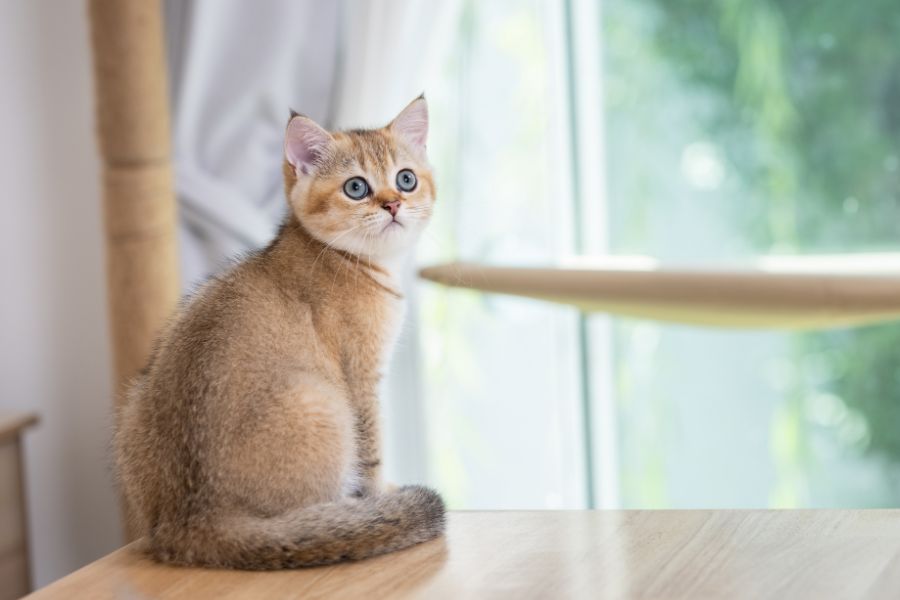
Bringing home a new kitten means learning fast, and knowing kitten urgent care signs is one of the most important lessons for a first-time owner. Kittens hide illness well. A small problem can turn serious within hours because their bodies have so little reserve to draw on. This guide walks you through what counts as urgent, what can wait for a regular checkup, and how to act with confidence instead of panic.
What Counts as a Kitten Urgent Care Emergency?
A kitten emergency vet visit is warranted anytime your kitten stops eating for more than 12 hours, has trouble breathing, or shows sudden weakness. Vomiting or diarrhea that continues for more than a day also qualifies. These situations move quickly in young animals and should not wait until morning.
Kittens under six months old have limited energy stores. In our experience, a kitten that skips even one meal can become lethargic within a few hours. That speed is exactly why waiting to “see if it gets better” often backfires.
Signs Your Kitten Needs Prompt Veterinary Attention
- Not eating or drinking: Even a single skipped meal in a very young kitten can lead to low blood sugar.
- Labored or open-mouth breathing: This is never normal in a cat and points to a serious problem.
- Pale or gray gums: Healthy gums are pink. Pale gums can signal shock or severe illness.
- Straining to urinate: This can indicate a blockage, which is life-threatening if untreated.
- Sudden limping or crying out: Kittens are prone to falls and rough play injuries that need evaluation.
Pet owners often tell us they assumed a quiet, sleepy kitten was just tired. A kitten that is unusually still, unresponsive to toys, or hiding constantly deserves a same-day vet visit rather than a wait-and-see approach.
What to Expect During a Same-Day Kitten Visit
Walking into an urgent visit for the first time can feel intimidating, so here is what typically happens, step by step, right here in Berlin:
- A technician checks your kitten’s temperature, weight, and vital signs.
- The veterinarian examines gums, hydration, and body condition.
- Basic bloodwork or imaging may be recommended based on symptoms.
- You’ll receive a clear explanation of findings and next steps before any treatment begins.
- A follow-up plan is set so you know exactly what to watch for at home.
Most visits move faster than owners expect. Many kittens we see are back to playing within a day or two once the underlying issue is addressed.
Seasonal and Household Risks Every First-Time Kitten Owner Should Know
In Vermont, we see certain risks more often because of the colder months and the indoor-outdoor lifestyle many households keep. Antifreeze exposure, frostbite on ear tips, and stress-related digestive upset all climb when temperatures drop. Kittens exploring a new home are also drawn to string, rubber bands, and holiday decorations, all common causes of intestinal blockages.
A common misconception among new owners is that a kitten eating normally can’t have swallowed something dangerous. In reality, a kitten can eat and drink for a day or two after swallowing a foreign object before symptoms appear. If you notice repeated vomiting alongside a decreased appetite, that combination is worth a same-day evaluation rather than assuming it’s just a stomach bug.
Why Choose Us for Urgent Pet Care
At Onion River Animal Hospital, our team understands how stressful it feels when a new kitten seems off. We built our schedule to accommodate same-day concerns, so you are never left guessing overnight. Our doctors specialize in urgent care for kittens and young cats, meaning we know the subtle signs that separate a minor hiccup from something serious. If you’re ever near Berlin and unsure whether a symptom warrants a visit, call us at 802-223-7765, and our team will help you decide the right next step. We’re located just off Route 62, easy to reach whether you’re coming from Montpelier or Barre.
How to Choose the Right Urgent Care Vet for Your Kitten
Look for a clinic that offers same-day appointments, a team comfortable handling pediatric feline cases, and clear communication about cost and treatment options before anything is done. Ask whether the practice can run basic diagnostics on-site, since waiting on outside labs can delay urgent answers. A clinic like Onion River Animal Hospital, based right here in Berlin, that welcomes questions from first-time owners, without judgment, makes the experience far less stressful for both you and your kitten.
First-time kitten ownership comes with a steep learning curve, but knowing the kitten urgent care signs above puts you ahead of most new owners. Trust your instincts: appetite loss, breathing changes, and sudden weakness are never things to wait out. Onion River Animal Hospital is here to help you sort the minor from the urgent, any time you’re unsure. Book an appointment today.
Frequently Asked Questions
Q: How do I know if my kitten is sick or just sleeping a lot?
Ans: Kittens sleep frequently, but a sick kitten is hard to rouse, uninterested in food, or limp when picked up. Normal sleepy kittens wake easily and perk up for meals or play.
Q: What are the first signs of a kitten emergency?
Ans: Loss of appetite for more than half a day, labored breathing, pale gums, and sudden weakness are the earliest and most reliable warning signs.
Q: Can a kitten die from not eating for one day?
Ans: Very young kittens can develop dangerously low blood sugar within hours of skipping meals, so a full day without eating should always prompt a vet call.
Q: Is vomiting normal in kittens?
Ans: Occasional vomiting can happen with diet changes, but repeated vomiting, especially paired with lethargy or appetite loss, is not normal and needs evaluation.
Q: When should I take my kitten to urgent care instead of waiting for a regular appointment?
Ans: Any breathing difficulty, inability to urinate, sudden collapse, or symptoms lasting more than 24 hours should be treated as urgent rather than scheduled for a routine visit.