Same-Day Appointments Available


Cat Broken Tail: What Every Pet Owner Should Know
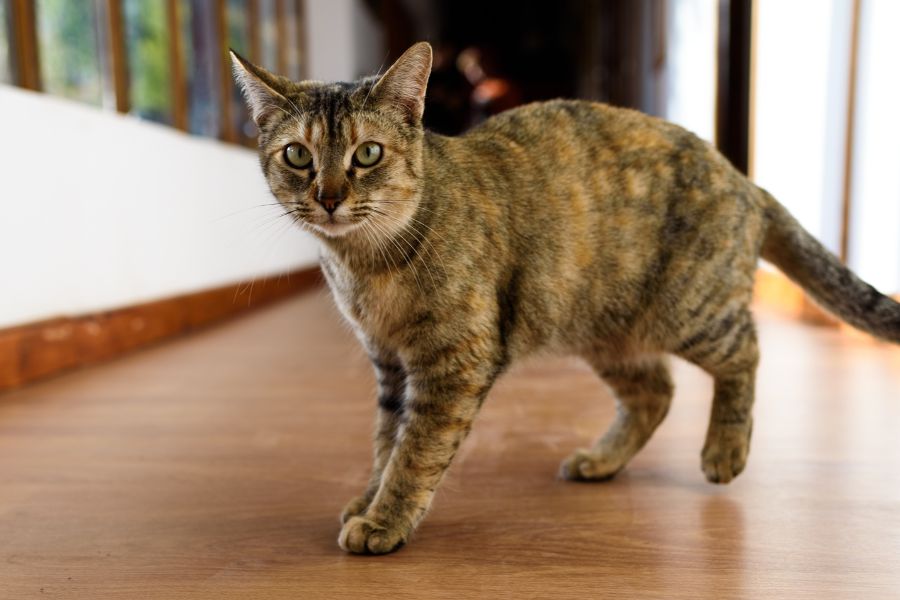
A limp, bent, or unresponsive tail is one of the most alarming things a cat owner can notice. Your cat’s tail is more than just an expressive appendage. It is a complex structure of bones, muscles, and nerves that plays a direct role in balance and bladder function. Recognizing cat broken tail signs early can be the difference between a full recovery and a permanent complication. This guide walks you through what to look for, why it happens, how it gets diagnosed and treated, and what you can do at home to support your cat’s recovery. Whether your cat had a rough landing, a door mishap, or an outdoor encounter you didn’t witness, understanding the facts will help you act fast and confidently.
Understanding Broken Tail of a Cat
A cat’s tail contains between 18 and 23 small vertebrae connected by muscles, nerves, and blood vessels. A fracture or dislocation anywhere along this chain can cause mild discomfort or serious neurological damage, depending on the location and severity of the injury.
Tail injuries in cats are more common than most owners realize. Traumatic causes include being stepped on, caught in a door, pulled by young children, or struck by a vehicle. Cats that spend time outdoors face a higher risk simply due to their exposure to more unpredictable situations.
One important detail many pet owners miss: the closer the injury is to the base of the tail, the more dangerous it becomes. The tail base connects directly to the nerves controlling the bladder, bowel, and hind leg function. A fracture near the base is not just a bone injury. It is a potential nerve injury that requires prompt veterinary evaluation.
Signs and Symptoms of a Cat’s Broken Tail
What are the signs of a broken tail in a cat? A broken tail in a cat typically presents as a visible kink, bend, or drooping in the tail combined with pain, swelling, or reluctance to let you touch the area. Cats may also drag their tail along the floor rather than holding it upright.
Watch for these specific signs:
- Bent or kinked tail: A sudden angle or unnatural curve in the tail that was not there before
- Limp or dragging tail: The tail hangs with no muscle control or movement
- Visible swelling or bruising: The injured area may appear puffy, discolored, or have missing fur
- Pain response: Your cat hisses, growls, or bites when the tail is touched
- Tail held consistently low: Even without obvious deformity, a tail kept unusually low signals pain
- Loss of bladder or bowel control: Urinating or defecating without awareness is a serious sign of nerve involvement
In our experience, cat owners often notice the tail issue first but overlook the bladder changes. If your cat is leaving wet spots while resting or seems unable to fully empty the bladder, that detail matters enormously for diagnosis and treatment decisions.
If you notice any of these signs, contact your veterinarian promptly.
Causes and Risk Factors for Tail Injuries in Cats
Tail fractures most commonly result from blunt trauma. The most frequent causes we see include door accidents, being stepped on, degloving injuries from entanglement, and vehicle strikes in outdoor cats.
In Vermont, cats that roam outdoors during the winter months face additional hazards. Cold, icy conditions make jumps and landings less predictable. Cats can slip off surfaces or misjudge distances, landing in ways that put sudden stress on the tail. Farm cats and cats in rural areas of Central Vermont are particularly prone to injury from machinery, equipment, or encounters with other animals.
Age also plays a role. Kittens are naturally more curious and accident-prone. Senior cats with reduced agility and arthritis may suffer tail injuries from falls that a younger cat would shake off without issue.
Broken tail in cats can also occur without dramatic trauma. A simple tug on the tail from a well-meaning child, or catching the tail under a rocking chair, is enough to cause a fracture or dislocation.
How a Broken Cat Tail Is Diagnosed and Treated
Diagnosis begins with a physical exam. Your veterinarian will palpate the tail gently to locate the injury, assess pain response, and check nerve function by evaluating tail movement, anal tone, and bladder control.
X-rays confirm the location and severity of the fracture. In cases with suspected nerve involvement, the veterinarian will also assess the hind limbs and test deep pain sensation.
Treatment depends entirely on what the exam and imaging reveal:
- Minor fractures at the tail tip: Often managed with rest and pain management. The tail may heal on its own with limited activity and follow-up monitoring.
- Mid-tail fractures: May require splinting, bandaging, or, in some cases, partial amputation of the tail distal to the fracture.
- Base-of-tail injuries with nerve involvement: These require more aggressive management. Bladder function must be monitored closely. Some cats recover full nerve function within weeks. Others need long-term management or surgical intervention.
- Cat tail injury treatment for infection or degloving: Open wounds require cleaning, antibiotics, and sometimes skin repair before the fracture itself is addressed.
- Full tail amputation: Reserved for severe injuries where the tail cannot heal functionally or poses an ongoing health risk.
Pet owners often tell us they are relieved to learn that cats adapt remarkably well after tail amputation. Most cats show no behavioral or quality-of-life changes following the procedure.
What Does Cat Tail Nerve Damage Look Like?
How do you know if a cat has nerve damage in the tail? Cat tail nerve damage is identified by a loss of voluntary tail movement, inability to control urination or defecation, and reduced or absent sensation at the tail and hindquarters. These signs require immediate veterinary evaluation.
Nerve damage at the tail base is the most serious complication of tail injuries. The sciatic and pudendal nerves run close to the tail base. Injury to these nerves can cause a condition called urinary retention, where the cat cannot empty the bladder on its own.
Left untreated, a distended bladder becomes life-threatening within days. Cats with bladder dysfunction from nerve damage may require manual bladder expression by their owner at home, catheterization, or in some cases, a permanent perineal urethrostomy.
Recovery from cat tail nerve damage varies. Some cats regain full function within 4 to 8 weeks as inflammation resolves. Others show partial improvement. Cats that show no sign of improvement after 4 to 6 weeks are less likely to recover full bladder and bowel control. Your veterinarian will guide prognosis based on exam findings and how your cat responds to initial treatment.
Home Care and Prevention for Injured Cat Tail Recovery
Once your cat has been examined and a treatment plan is in place, there are concrete steps you can take at home:
- Restrict activity: Keep your cat in a calm, confined space to prevent reinjury while healing
- Monitor elimination: Watch for signs of straining, accidents outside the litter box, or changes in frequency
- Protect the wound: If there is an open wound or bandage, prevent licking with a recovery collar
- Administer medications as prescribed: Never give human pain medications to a cat. Over-the-counter products like acetaminophen and ibuprofen are toxic to cats
- Schedule follow-up appointments: Nerve recovery is slow. A recheck at 2 to 4 weeks allows your vet to track progress and adjust the care plan
We frequently remind pet owners in Berlin and the surrounding area that injured cat tail care at home is only effective when it follows a proper veterinary diagnosis. Attempting to splint a tail at home or pulling on a dislocated tail can worsen nerve damage significantly.
If your cat was injured and you are unsure of the severity, err on the side of caution and bring them in the same day. The window for protecting nerve function is narrow in serious injuries.
Onion River Animal Hospital provides thorough physical exams and imaging to assess tail injuries and develop a care plan that matches your cat’s specific needs.
Conclusion
Recognizing cat broken tail signs quickly gives your cat the best possible outcome. Most tail injuries are treatable, and many cats recover fully with the right veterinary care and attentive home management. The key is acting before nerve complications develop or infections take hold. Do not wait to see if the tail looks better in a few days. Have your cat evaluated as soon as you notice a change in tail appearance, movement, or your cat’s elimination habits. A prompt exam protects both the tail and the nerves that control your cat’s quality of life. Onion River Animal Hospital is here to help you navigate every step of your cat’s recovery with compassionate, experienced care. Book an appointment today.
Frequently Asked Questions
Q: Can a cat’s broken tail heal on its own?
Ans: Minor fractures at the tip of the tail may heal without intervention, but they still require a veterinary exam to rule out nerve involvement. Fractures closer to the tail base rarely heal without treatment and can cause permanent damage if left unaddressed.
Q: How do I know if my cat’s tail is broken or just bruised?
Ans: A broken tail often presents with a visible kink, limpness, or complete lack of movement in the affected area. Bruising alone typically shows sensitivity and swelling without structural deformity. Only an X-ray can definitively distinguish between a fracture and soft tissue injury.
Q: Is a broken tail painful for cats?
Ans: Yes. Cats with tail fractures are typically in pain, even if they do not vocalize it clearly. Signs include flinching, growling, or biting when the tail is touched, as well as hiding, reduced grooming, and changes in posture.
Q: What happens if a cat breaks the base of its tail?
Ans: A fracture at the base of the tail is serious because it can damage the nerves that control bladder and bowel function. Cats with base-of-tail injuries need immediate veterinary attention to assess nerve involvement and begin appropriate treatment.
Q: Do cats need surgery for a broken tail?
Ans: Not always. Treatment depends on the location and severity of the injury. Minor tip fractures may only need rest and pain management. Severe fractures, open wounds, or nerve damage may require partial or full tail amputation. Your veterinarian will recommend the most appropriate approach after a full exam.