Same-Day Appointments Available


Common Mistakes New Puppy Owners Make in the First 30 Days
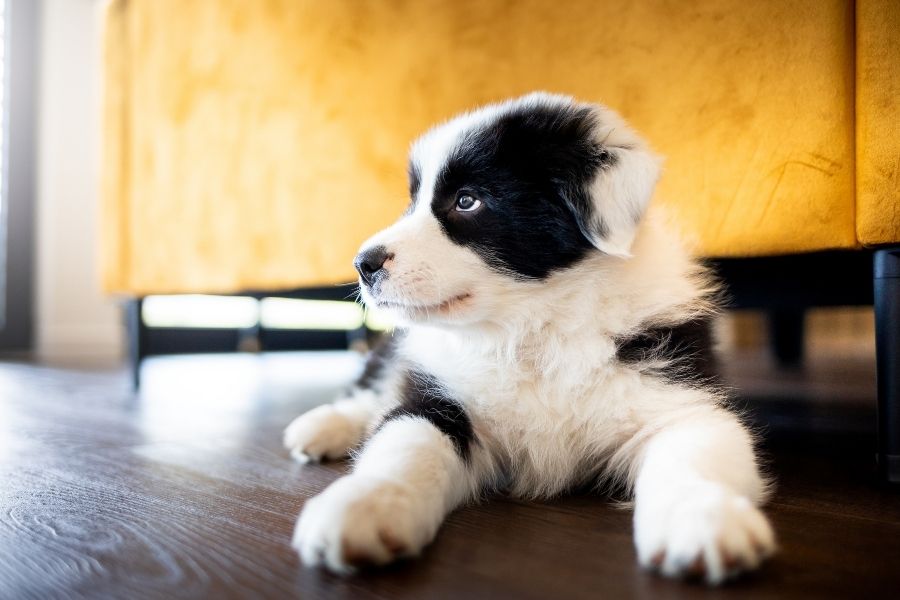
Bringing a puppy home is one of the most exciting moments of your life and one of the most overwhelming. Everything feels urgent. Every whimper, every accident, every moment of confusion leaves you wondering if you are doing something wrong. The truth is, most new puppy owner mistakes happen not from carelessness but from simply not knowing what the first 30 days actually require. This guide walks you through the most common missteps we see, what they look like in real life, and how to avoid them so your puppy gets the healthy start they deserve. Whether you brought home a tiny Chihuahua or a bounding Labrador, the first month sets the foundation for everything that follows. Read through carefully; make small corrections now and save big problems later.
What Most New Owners Get Wrong Right Away
Understanding new puppy owner mistakes starts with recognizing how different a puppy’s needs are from an adult dog’s. Puppies are not simply small dogs. Their immune systems are still developing, their bones are growing, and their brains are absorbing information at a pace that will never be quite this fast again. According to veterinary estimates, the first 16 weeks of a puppy’s life represent the most critical socialization window they will ever have. Missing it means playing catch-up for years.
One of the most common errors we observe is assuming puppies will naturally adjust to household routines without guidance. In reality, puppies need structure from day one. Without it, behaviors that seem cute at eight weeks become serious problems at eight months.
Another widespread issue is underestimating how much sleep a puppy actually needs. Most puppies require 16 to 18 hours of sleep per day. Owners who keep puppies constantly engaged, stimulated, or socializing can trigger overtiredness, which in puppies looks a lot like hyperactivity, biting, and difficulty settling. Rest is not optional. It is essential to healthy development.
Warning Signs You Are Already Off Track
These signs suggest a puppy is not getting what they need in the first 30 days. Each one is worth addressing promptly rather than waiting to see if things improve on their own.
- Accidents happening in the same spots repeatedly. This usually means the potty schedule is too infrequent. Puppies typically need to go out every one to two hours, immediately after waking, and within minutes of eating.
- Constant crying at night despite seeming fed and comfortable. Often points to a lack of transition comfort a warm blanket with familiar scent or a ticking clock near the sleeping area can help significantly.
- Refusal to eat or irregular appetite. Can signal stress from a new environment, or sometimes a more serious health concern that warrants a vet call.
- Excessive biting that is escalating rather than improving. Normal puppy exploration, but if it is getting more intense by week two, bite inhibition guidance needs to start immediately.
- Lethargy, soft stools, or vomiting more than once. These are puppy health warning signs that should never be dismissed as just an adjustment period.
If you are seeing any combination of the above in your puppy’s first few weeks, trust your instincts. A quick call to your veterinarian is always the right move.
As veterinarians, we frequently see puppies brought in at the six or eight week mark, where simple early intervention could have prevented a bigger issue. Puppy health warning signs that get dismissed during the first month can develop into conditions that are harder and more expensive to address later.
Skipping or Delaying the First Vet Visit
This is one of the most consequential new puppy owner mistakes an owner can make. Many people assume the breeder or shelter health check is sufficient. It is not.
Your puppy’s first vet visit should happen within the first three to five days of bringing them home not at the six-week mark, not when they seem sick. Here is what that visit typically covers:
- Physical exam from nose to tail. Your vet checks eyes, ears, heart, lungs, abdomen, skin, and limbs for anything that needs attention.
- Parasite screening. Intestinal parasites are extremely common in puppies and often show no obvious symptoms.
- Vaccine status review. Your vet maps out what your puppy has received and what comes next based on their specific history.
- Deworming if indicated. Many puppies need this regardless of where they came from.
- Nutrition and feeding plan discussion. What, how much, and how often varies significantly by breed and size.
- Your questions answered. Bring a list. No question is too small.
Your first puppy vet visit is also the moment to establish a relationship with a veterinary team you trust. In Berlin, VT and surrounding areas, building that relationship early means you have a reliable point of contact the moment something seems off not scrambling to find care when you are worried.
Rushing Socialization or Skipping It Entirely
Both extremes cause real harm. Owners who flood their puppy with too many new people, dogs, and environments in the first two weeks can trigger fear responses that are hard to undo. Owners who isolate their puppy to protect them from illness miss the socialization window entirely.
The answer is controlled, positive exposure. Short outings. Calm introductions. Puppy-safe environments where the risk of infectious disease is low. Your vet can help you understand what is safe and when based on your puppy’s vaccine status.
Puppy training at home starts here too. Basic commands like sit, come, and leave it can begin as soon as your puppy arrives. Their brains are primed for learning right now. Puppies trained gently in the first month using positive reinforcement retain those lessons far more reliably than dogs trained later. Short sessions of three to five minutes repeated throughout the day work better than one long session.
Puppy training at home also includes crate training. Many owners resist the crate because it feels unkind. In practice, a properly introduced crate gives a puppy a safe den where they feel secure. It also dramatically speeds up housetraining and prevents destructive behavior during unsupervised moments.
Nutrition and Feeding Errors That Add Up Fast
What you feed your puppy in the first 30 days matters more than most owners realize. A few of the most common feeding mistakes we see:
Feeding adult dog food. Adult formulas are not nutritionally balanced for growing puppies. Always use a food labeled for puppies or all life stages.
Free feeding instead of scheduled meals. Leaving food out all day makes housetraining harder, masks appetite changes that could signal illness, and can lead to overeating in food-motivated breeds.
Too many treats too soon. Treats are a valuable puppy care tool during training, but they should make up no more than 10% of your puppy’s daily calorie intake. Go over that and you risk nutritional imbalance and early weight issues.
Giving human food during the first month. Even well-meaning scraps can cause digestive upset in a puppy still adjusting to a new home and new food. Keep their diet consistent and vet-approved for the first 30 days at minimum.
When in doubt about what or how much to feed, your veterinarian is the best resource. Feeding guidelines on packaging are a starting point, not a prescription; actual amounts depend on your puppy’s breed, size, activity level, and growth rate. Puppy care decisions made with your vet’s input from day one set a stronger foundation than figuring it out as you go.
Conclusion
The first 30 days with a puppy go fast. Some moments will feel chaotic, some will feel magical, and most will feel like both at once. Avoiding new puppy owner mistakes is not about being a perfect owner it is about asking questions early, establishing routines quickly, and building a relationship with a veterinary team who knows your puppy from the start. At Onion River Animal Hospital, we see new puppy families every week, and the ones who thrive are always the ones who come in early and stay connected. Your puppy is counting on you to get them off to the right start. Book an appointment today.
Frequently Asked Questions
Q: When should a new puppy have their first vet visit?
Ans: Ideally within the first three to five days of bringing your puppy home. This allows your vet to establish a baseline, check for parasites or underlying issues, review vaccine history, and create a preventive care schedule tailored to your puppy’s needs.
Q: How often should I take my puppy outside to go potty?
Ans: Every one to two hours during the day, immediately after waking up from any nap, and within a few minutes of finishing a meal. Consistency is the most important factor in successful housetraining during the first month.
Q: Is it normal for my puppy to sleep most of the day?
Ans: Yes. Puppies need 16 to 18 hours of sleep daily for healthy brain and body development. Interrupting that sleep too frequently can lead to overtiredness, which often appears as excessive biting, hyperactivity, or difficulty settling at night.
Q: What human foods are dangerous for puppies?
Ans: Grapes, raisins, onions, garlic, chocolate, xylitol (found in sugar-free products), macadamia nuts, and alcohol are all toxic to dogs. During the first 30 days especially, keep your puppy on their designated puppy food and avoid table scraps entirely.
Q: How do I know if my puppy is sick versus just adjusting to a new home?
Ans: Mild tiredness and some digestive sensitivity in the first day or two can be normal adjustments. However, vomiting more than once, diarrhea lasting more than 24 hours, refusal to eat for more than a day, lethargy, or any difficulty breathing warrants a prompt call to your veterinarian. When in doubt, call it is always better to check.
Related Articles