Same-Day Appointments Available


Cracked Dog Paws in Summer: Causes and Vet-Recommended
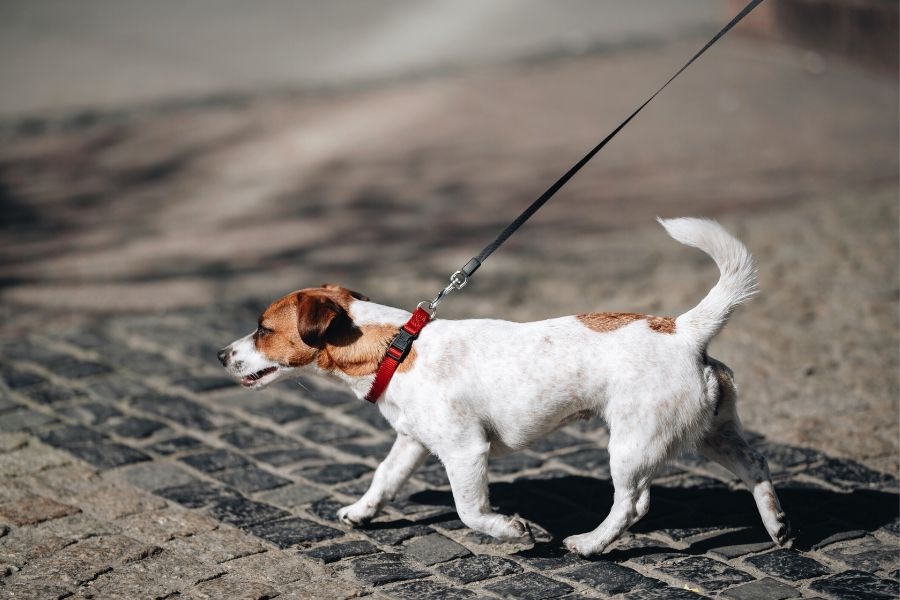
Your dog’s paws take a beating every single day. In summer, that punishment gets much worse. Hot pavement, rough terrain, and dry air can leave paw pads cracked, sore, and bleeding before most pet owners realize anything is wrong. Cracked dog paws in summer is one of the most common warm-weather concerns we hear from dog owners, yet it is also one of the most preventable. This article covers the main reasons paw pads crack during summer months, the warning signs that something is wrong, and the steps veterinarians recommend to treat and protect your dog’s paws before the damage gets serious. If your dog has been limping, licking their feet excessively, or leaving small marks on the floor, read on. This guide is written for you.
What Causes Dog Paw Pads to Crack in Summer?
Cracked paw pads have several causes, and summer conditions make nearly all of them worse. Hot pavement is the most immediate threat. Asphalt can reach temperatures above 140 degrees Fahrenheit on a sunny day. Even brief contact with that surface dries out and damages paw pad tissue fast. Many dog owners are surprised to learn that a surface does not need to feel burning hot to their hand to be damaging for a dog walking on it.
Dry summer air is another major factor. Low humidity pulls moisture from paw pads continuously, especially in dogs who spend time outdoors. Over time, the pad surface loses its natural suppleness and begins to crack along pressure points.
Rough terrain adds to the problem. Rocky trails, gravel paths, and sun-baked dirt can physically abrade the pad surface. A dog who is active outdoors faces a combination of heat, dryness, and friction working against their paw health at the same time.
Certain health conditions also cause or worsen dry paws in dogs. Thyroid disorders, zinc-responsive dermatosis, and autoimmune conditions can all affect paw pad texture and integrity. If your dog’s pads crack repeatedly despite good care, a veterinary exam is the right next step.
Signs Your Dog’s Paw Pads Are in Trouble
Cracked paw pads that are shallow and not bleeding can often be managed with at-home care and moisturizer. However, if cracks are deep, bleeding, swollen, or infected, or if your dog is limping or refusing to walk, contact your veterinarian promptly. Infected pads require professional treatment to heal properly.
The signs of paw pad distress are not always obvious right away. Watch for these:
- Excessive licking or chewing at the feet. This is often the first behavior owners notice. Dogs instinctively lick sore or irritated areas.
- Limping or reluctance to walk. Sore paws in dogs cause visible changes in gait. A dog who hesitates before stepping onto pavement is telling you something.
- Visible cracks or peeling. Dog paw pad peeling along the edges or across the surface of the pad is a clear sign of dryness and stress.
- Redness or swelling between the toes. Inflammation between the digits often signals infection or a foreign object lodged in the tissue.
- Small blood spots on floors or outdoor surfaces. Cracked pads bleed easily, especially on hard surfaces indoors.
In our experience, pet owners who catch these signs early have much better outcomes. Dogs who go untreated often develop secondary infections that require antibiotics and take weeks to resolve.
How Vets Diagnose and Treat Cracked Paw Pads
A veterinary exam for cracked paw pads is straightforward but thorough. Your vet will inspect each pad individually, checking crack depth, signs of infection, and whether the cracking pattern points to a systemic condition rather than environmental causes alone.
For mild to moderate cracking, treatment typically follows these steps:
- Clean the pads to remove debris, bacteria, and any surface contamination.
- Assess crack depth. Superficial cracks are treated topically. Deep cracks may require bandaging to protect the tissue while it heals.
- Apply a veterinarian-approved paw balm or moisturizer. Many over-the-counter products contain ingredients that are safe for humans but harmful to dogs who lick their paws. Your vet will recommend a pet-safe product.
- Prescribe antibiotics or antifungals if infection is present. Infected pads do not heal with moisturizer alone.
- Test for underlying conditions if the cracking is severe, recurring, or affecting multiple pads in an unusual pattern.
Pet owners often tell us they tried coconut oil or human foot cream before coming in. Some of those products can help mildly dry pads, but they are not formulated for the demands of a dog’s paw pad and can cause digestive upset if ingested. A visit gives you a treatment plan that is actually safe and matched to your dog’s specific condition.
Risk Factors That Make Some Dogs More Vulnerable
Not every dog develops cracked paws in summer, but some are significantly more prone to it.
Age plays a major role. Older dogs have reduced skin turnover and often produce less natural moisture in their paw pads. Senior dogs benefit from preventive paw care starting in spring, before summer conditions peak.
Breed matters too. Large breeds and working dogs who spend more time on hard surfaces accumulate pad stress faster. Dogs with fine or thin paw pads are more vulnerable to abrasion and heat damage than breeds with naturally thicker padding.
Body weight is a factor that often gets overlooked. Overweight dogs place greater pressure on their pads with every step. That added stress accelerates wear and cracking, especially on pavement.
In Vermont, we see this pattern shift depending on the season. Summer in Berlin brings dry spells, gravel roads, and trail activity that push paw health issues to a peak. Dogs who do fine in spring can develop dog paw pad care problems rapidly once the heat arrives and outdoor activity increases.
One common misconception we hear regularly: “My dog has tough paws. He goes everywhere.” Toughness is not the same as damage-resistant. Dogs who are highly active outdoors are more exposed, not less vulnerable. Even conditioned paws need maintenance.
How to Protect Your Dog’s Paws This Summer
Prevention is far easier than treatment. These steps reduce the risk of cracking significantly:
- Check pavement temperature before walks. Press the back of your hand on the surface for 7 seconds. If it is uncomfortable for you, it is damaging for your dog.
- Walk during cooler parts of the day. Early morning and evening hours keep paw contact with hot surfaces minimal.
- Apply a vet-approved paw balm regularly. Consistent use before and after outdoor activity maintains moisture and pad flexibility. Ask your vet which product suits your dog’s skin type.
- Rinse paws after walks. Removing salt, grit, and environmental residue prevents buildup that accelerates drying.
- Inspect paws weekly. Run your fingers across each pad and between each toe. Early detection of dog paw pad peeling or early cracks means simpler treatment.
We frequently remind our clients at Onion River Animal Hospital that paw care is year-round work, not just a summer task. Dogs who receive consistent paw maintenance rarely develop the severe cracking that requires veterinary intervention.
Conclusion
Summer paw health deserves the same attention you give to heartworm prevention or annual vaccines. Cracked dog paws in summer are common, but they are not inevitable. Knowing the causes, catching the warning signs early, and staying consistent with preventive care keeps your dog comfortable and active through the hottest months. If your dog’s pads are already cracked, swollen, or showing signs of infection, do not wait for the problem to resolve on its own. The team at Onion River Animal Hospital is here to help you keep your dog’s paws healthy all season long. Book an appointment today.
Frequently Asked Questions
Q: What causes cracked dog paws in summer?
Ans: The most common causes are hot pavement, dry air, rough terrain, and increased outdoor activity. Some dogs also develop cracked pads due to underlying health conditions like thyroid disorders or nutritional deficiencies.
Q: Can I put anything on my dog’s cracked paw pads at home?
Ans: Veterinarian-approved paw balms are the safest option. Avoid human lotions, essential oils, or products containing zinc oxide, as these can be toxic if your dog licks their paws. Ask your vet for a specific product recommendation.
Q: How do I know if my dog’s paw is infected?
Ans: Signs of infection include redness, swelling, discharge, a foul odor, or your dog crying when the paw is touched. Infected pads require veterinary treatment and do not heal with moisturizer alone.
Q: Is dog paw pad peeling always serious?
Ans: Mild peeling along the edge of the pad is common in summer and can often be managed with regular moisturizing and reduced pavement exposure. Peeling that exposes raw tissue, bleeds, or covers a large area of the pad needs veterinary evaluation.
Q: How can I prevent sore paws in dogs during hot weather?
Ans: Walk your dog during cooler morning or evening hours, check pavement temperature before heading out, apply a vet-approved paw balm regularly, and rinse your dog’s paws after every outdoor outing. Consistent paw inspections each week help you catch problems before they become serious.