Same-Day Appointments Available


Common Home Decorations That Are Toxic and Dangerous to Dogs and Cats
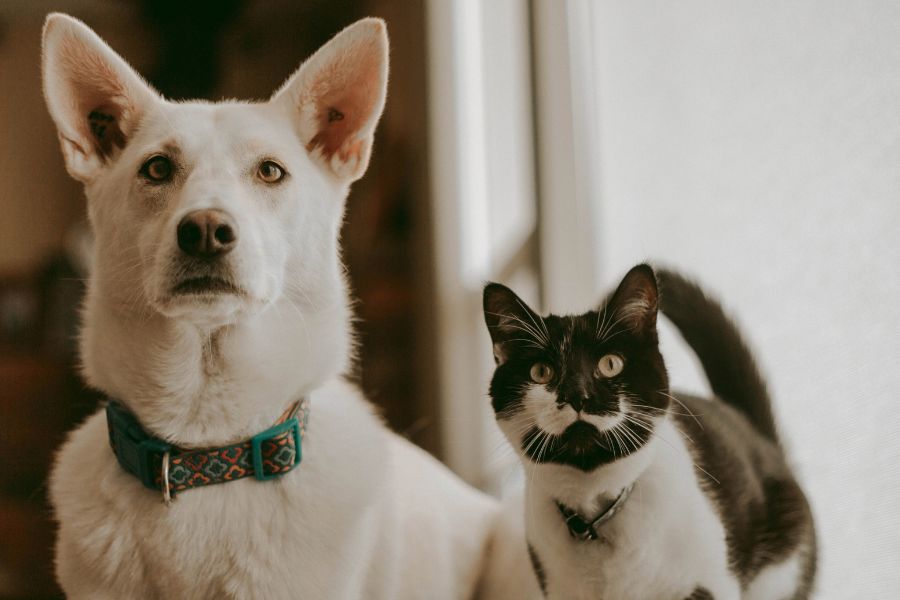
A curious puppy chewing on a fallen ornament or a cat batting a ribbon off the tree seems harmless at first glance. Many popular decorations contain hidden dangers that can turn a festive afternoon into an emergency vet visit. From certain plants to tinsel, string lights, and scented candles, everyday decor can pose real health risks to dogs and cats. This guide covers the most common toxic holiday decorations pets encounter, the warning signs to watch for, and simple swaps that keep your home both beautiful and safe for the whole family.
What Decorations Are Toxic to Dogs and Cats?
Several common decorations, including certain holiday plants, tinsel, ribbon, potpourri, and some candles, can cause anything from mild stomach upset to life-threatening blockages or poisoning in pets. Cats are especially drawn to dangling, shiny objects like tinsel and string, while dogs tend to chew on ornaments, cords, and plant material. Knowing which items pose a risk helps you decorate confidently without putting your pet in danger.
Signs and Symptoms to Watch For
Pets cannot tell us when something feels wrong, so it helps to know the physical clues.
- Vomiting or repeated retching, especially after a pet has been near plants or ornaments
- Drooling or pawing at the mouth, which can signal irritation from a toxic plant or chemical
- Lethargy or sudden weakness, often one of the first signs of poisoning
- Straining to defecate or a swollen abdomen, which may point to a swallowed decoration causing a blockage
- Difficulty breathing or noticeable throat swelling, a sign of a serious allergic or toxic reaction
If you notice any of these signs, contact your veterinarian promptly. In our experience, pet owners often assume mild vomiting after the holidays is just an upset stomach from rich food, when it can actually be an early sign of plant toxicity or a swallowed decoration working its way through the digestive tract.
Causes and Risk Factors
Certain decorations carry more risk than others based on their shape, texture, and chemical makeup. Lilies are highly toxic to cats and can cause kidney failure with even small amounts of pollen or leaf material. Mistletoe and holly berries can cause vomiting, diarrhea, and heart rhythm changes in both dogs and cats. Tinsel and ribbon are especially dangerous for cats because their rough tongues make it hard to spit out once swallowed, often leading to a linear foreign body that requires surgery.
Younger pets and naturally curious breeds tend to be at higher risk simply because they explore the world with their mouths. Households in colder climates, including many homes here in Vermont, often bring more greenery and seasonal plants indoors during the winter months, which can increase a pet’s exposure window. Battery-operated candles and string lights also pose a chewing hazard, since damaged wiring or leaking batteries can cause burns or chemical exposure.
How Toxic Exposure Is Diagnosed and Treated
When a pet arrives with a suspected toxic exposure, veterinarians typically follow a clear process to identify the cause and begin treatment quickly.
- History and physical exam to identify what the pet may have ingested and when
- Bloodwork or imaging to check organ function and look for swallowed objects
- Decontamination, which may include inducing vomiting if caught early enough
- Supportive care, such as fluids or medication to manage symptoms
- Monitoring, often with a follow-up exam to confirm the pet is recovering well
Many dogs we see for chewed ornaments or ribbon end up needing imaging just to confirm nothing is stuck internally, even when the pet seems to be acting normally. Quick action makes a real difference in outcome, so it is always better to call your vet with questions rather than wait to see if symptoms appear.
Prevention and Home Care Tips
A few simple habits go a long way toward keeping decorations both charming and pet-safe.
- Choose artificial or pet-safe plants instead of lilies, mistletoe, and holly
- Skip tinsel entirely, especially in cat households, and opt for ribbon-free wrapping instead
- Keep candles, potpourri, and essential oil diffusers well out of paw’s reach
- Secure cords and string lights so they cannot be chewed or pulled down
- Store small ornaments and decorative figurines on higher shelves during the season
A common misconception among pet owners is that only chocolate and food items pose a holiday danger. In reality, decorations themselves cause a significant share of the calls we get at Onion River Animal Hospital each year. Roughly 10 percent of pet poisoning cases reported nationally involve household plants, many of which double as seasonal decor.
Toxic holiday decorations pets encounter each year range from festive plants to shiny tinsel and unsecured candles, but most risks are easy to prevent once you know what to look for. Watching for early warning signs and choosing pet-safe alternatives can spare your dog or cat a painful and costly emergency. If you have questions about a specific decoration or think your pet may have gotten into something they shouldn’t have, the team at Onion River Animal Hospital is here to help. Book an appointment today.
Frequently Asked Questions
Q: Are Christmas trees toxic to dogs and cats?
Ans: The tree itself is generally low risk, but tree water with preservatives, fallen needles, and ornaments can cause stomach upset or choking if ingested.
Q: What happens if a cat eats tinsel?
Ans: Tinsel can become lodged in a cat’s intestines, causing a serious blockage that often requires surgery, so it is best avoided entirely in cat households.
Q: Are poinsettias dangerous for pets?
Ans: Poinsettias are mildly irritating rather than highly toxic, typically causing minor drooling or stomach upset if chewed.
Q: How can I tell if my pet ate something toxic?
Ans: Watch for vomiting, drooling, lethargy, or straining, and contact your veterinarian right away if you suspect any decoration or plant was swallowed.
Q: What should I do if my dog ate a holiday plant?
Ans: Remove any remaining plant material, note how much was eaten, and call your veterinarian immediately for guidance, since prompt treatment improves the outcome.