Same-Day Appointments Available


How Genetics Affect Great Dane Life Expectancy
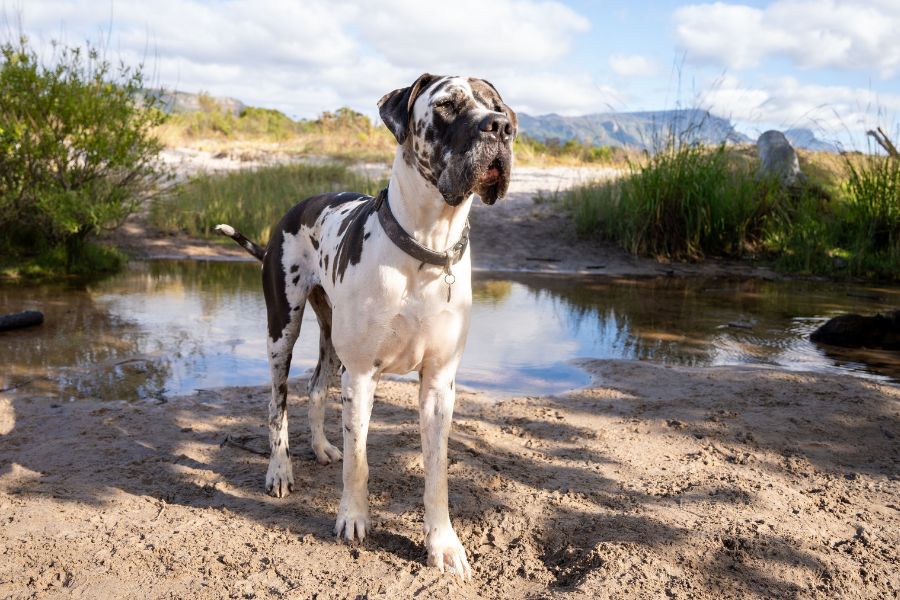
Great Danes are known for their towering height, gentle nature, and strong bond with their families. But one question every Great Dane owner eventually asks is simple: how long will my dog live? The life expectancy of great dane dogs is shorter than that of many other breeds, and genetics plays a major role in shaping that reality.
This blog takes a clear and honest look at how genetics influences lifespan, what you can and cannot control, and how to give your Great Dane the healthiest life possible.
Understanding the Life Expectancy of Great Dane Dogs
The life expectancy of great dane dogs typically ranges between 7 and 10 years. Some may live longer, but many fall within this range due to their size and inherited health risks.
Large and giant breeds age faster than smaller dogs. Their bodies grow quickly, and that rapid growth can place stress on bones, joints, and internal systems. Genetics determines how well a dog’s body handles that growth over time.
Why Size Matters
- Larger dogs have higher metabolic demands
- Their organs work harder to support body mass
- Faster growth increases the risk of structural issues
Genetics controls how these factors develop, making it one of the most important influences on lifespan.
The Role of Genetics in Great Dane Lifespan
Genetics shapes everything from your dog’s appearance to their risk for disease. When it comes to the life expectancy of great dane dogs, inherited traits can either support a longer life or increase vulnerability to certain conditions.
What Genetics Determines
- Disease susceptibility
- Bone and joint structure
- Heart function
- Growth rate
- Immune system strength
A well-bred Great Dane with strong genetic lines has a better chance of living closer to the higher end of the lifespan range.
Common Genetic Health Conditions in Great Danes
Certain health conditions appear more often in Great Danes due to their genetic makeup. Understanding these conditions helps you take early action.
1. Dilated Cardiomyopathy (DCM)
This is a heart condition where the heart becomes enlarged and cannot pump blood effectively.
- Often inherited
- May show no symptoms early
- Can reduce lifespan significantly if not managed
2. Hip Dysplasia
Hip dysplasia occurs when the hip joint does not fit properly.
- Leads to pain and arthritis
- Affects mobility and quality of life
- Has a strong genetic link
3. Gastric Dilatation-Volvulus (Bloat)
While feeding habits play a role, genetics also increases the risk of this life-threatening condition.
- Common in deep-chested breeds
- Can occur suddenly
- Requires emergency care
4. Osteosarcoma (Bone Cancer)
Great Danes have a higher risk of developing bone cancer.
How Breeding Practices Influence Lifespan
Not all Great Danes are bred the same way. Responsible breeding can improve the life expectancy of Great Dane dogs, while poor breeding can shorten it.
Responsible Breeding Includes:
- Health screening of parent dogs
- Genetic testing for inherited conditions
- Selecting dogs with a stable health history
- Avoiding close inbreeding
Risks of Poor Breeding
- Increased genetic disorders
- Weaker immune systems
- Shorter lifespan
If you are choosing a puppy, always ask for health records and genetic testing results.
Can You Change Your Dog’s Genetic Fate?
You cannot change your dog’s genes, but you can influence how those genes are expressed. This is where care and lifestyle matter.
Factors That Help Extend Lifespan
- Balanced nutrition
- Regular exercise
- Weight management
- Routine veterinary care
- Early disease detection
Genetics may set the baseline, but daily care determines how close your dog gets to their full lifespan potential.
The Importance of Preventive Veterinary Care
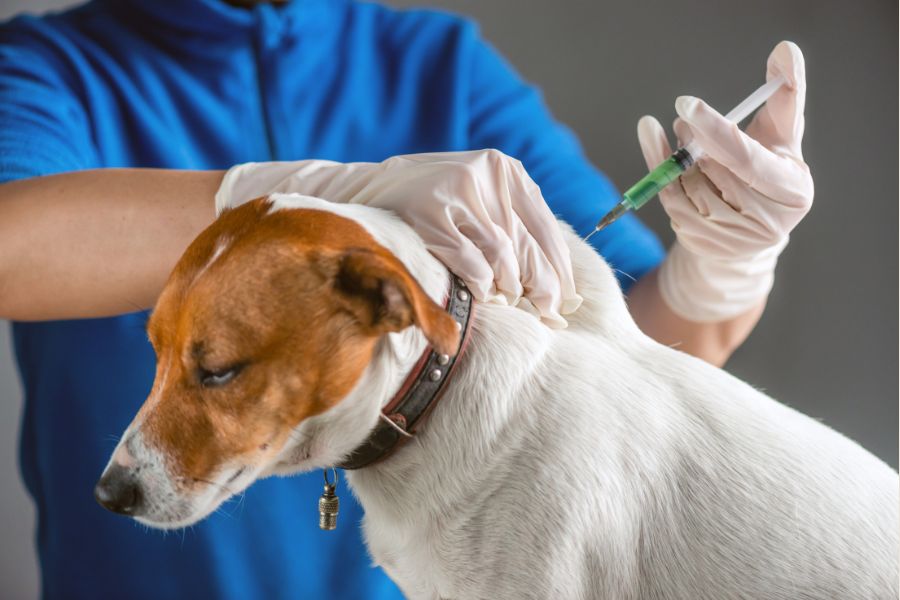
Routine veterinary visits help detect genetic conditions before they become serious. Early diagnosis can make a major difference in the life expectancy of great dane dogs.
Preventive care includes:
- Annual or biannual exams
- Heart screenings
- Joint assessments
- Blood work
- Cancer screenings
If you notice changes in energy, appetite, or movement, do not wait. Early action matters.
If your dog needs professional care or screening, visit our website to learn more about available veterinary services and guidance.
Nutrition and Genetics: A Strong Connection
Diet does not change genetics, but it supports how the body functions. For Great Danes, proper nutrition is essential.
Key Nutrition Tips
- Feed large-breed-specific dog food
- Avoid rapid growth in puppies
- Maintain a healthy weight
- Provide joint-support supplements if recommended
A poor diet can worsen genetic weaknesses, while a balanced diet supports long-term health.
Exercise and Physical Health
Exercise helps maintain muscle strength and joint stability, both of which are influenced by genetics.
Best Practices
- Moderate daily walks
- Avoid excessive jumping in puppies
- Support joint health through controlled activity
Over-exercising can harm growing bones, especially in genetically prone dogs.
Early Screening and Genetic Testing
Genetic testing is becoming more accessible and can provide insight into potential health risks.
Benefits of Genetic Testing
- Identifies inherited conditions early
- Helps guide preventive care
- Supports informed decisions about breeding
Talk to your veterinarian about whether genetic testing is right for your Great Dane.
Signs Your Great Dane May Have a Genetic Health Issue
Watch for these early warning signs:
- Difficulty standing or walking
- Sudden fatigue
- Breathing issues
- Swelling in limbs
- Loss of appetite
These signs do not always mean a serious condition, but they should never be ignored.
Living With a Great Dane: Setting Realistic Expectations
Owning a Great Dane means understanding both the joy and the responsibility that come with a shorter lifespan.
What to Expect
- Strong emotional bond
- High care needs
- Regular health monitoring
- Potential for age-related issues earlier than in smaller breeds
The goal is not just to extend life but to improve the quality of life.
Conclusion: Making Informed Choices for Your Great Dane
The life expectancy of Great Dane dogs is shaped by genetics, but it is not defined by genetics alone. With responsible breeding, proper care, and regular veterinary support, you can help your dog live a healthier and more comfortable life.
Understanding genetic risks allows you to act early, make better decisions, and provide the care your dog truly needs. If you have concerns about your Great Dane’s health or want guidance tailored to your pet, book an appointment with your veterinarian today. Early care and informed decisions can make a meaningful difference in your dog’s life.
Frequently Asked Questions (FAQs):
1. What is the average life expectancy of Great Dane dogs?
A: The average lifespan is around 7 to 10 years, though some may live longer with proper care.
2. Do genetics always determine how long a Great Dane will live?
A: Genetics plays a major role, but lifestyle, diet, and veterinary care also influence lifespan.
3. Can genetic diseases in Great Danes be prevented?
A: They cannot always be prevented, but early screening and proper care can reduce their impact.
4. How can I improve my Great Dane’s lifespan?
A: Focus on regular vet visits, balanced nutrition, exercise, and early detection of health issues.
5. Are Great Danes more prone to health issues than other breeds?
A: Yes, due to their size and genetics, they are more prone to certain conditions like heart disease and joint problems.
6. Should I consider genetic testing for my Great Dane?
A: Yes, genetic testing can provide useful insights and help guide preventive care decisions.