Same-Day Appointments Available


Preventing Dental Disease in Pets: What Every Owner Should Know
Pet owners often focus on food, exercise, and vaccinations, yet dental care receives less attention than it deserves. Healthy teeth and gums support comfort, appetite, and energy. Dental disease can quietly develop through plaque buildup, leading to pain, bad breath, and difficulty eating.
This guide explains why routine dental care matters, how problems begin, and what simple habits protect your companion at home. You will also learn when to seek professional care and what warning signs deserve attention.
By understanding the basics of pet dental health, families can prevent many avoidable problems and help pets enjoy longer, happier lives in Berlin, VT.
How Dental Disease Begins in Pets
Dental disease starts with plaque, a thin film that forms after meals. Bacteria mix with saliva and food particles. The layer hardens into tartar along the gumline. Irritation develops. Gums become red or swollen. Pets may hide discomfort. Owners notice odor or slower chewing. Over time, the infection can affect deeper tissue and even enter the bloodstream.
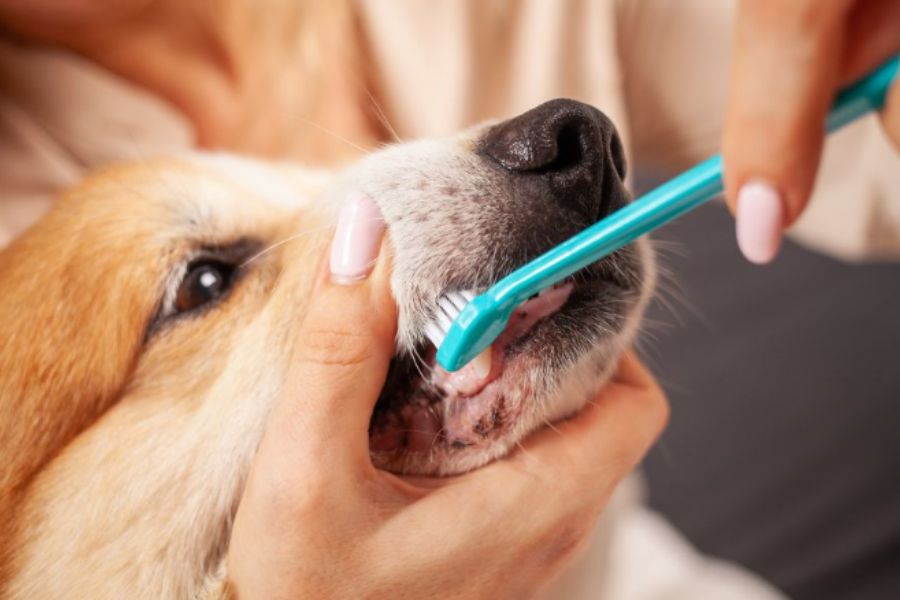
Daily habits reduce this risk. Brushing a pet’s teeth a few times each week removes plaque before it becomes stubborn tartar. Pet-friendly toothpaste makes the routine easier. Small finger brushes or soft pet brushes work well for most dogs and cats. Short sessions help pets stay calm. Gentle praise builds cooperation.
Chew toys and dental treats also support cleaner teeth. Many products scrape the surface of the tooth during chewing. Fresh water and balanced meals contribute to a healthier mouth. Local pet owners in central Vermont often combine brushing with regular wellness visits for a practical prevention plan.
Early Warning Signs Owners Should Notice
Even attentive owners should watch for early warning signs. Persistent bad breath often appears first. Yellow buildup on teeth, drooling, or pawing at the mouth may follow. Some pets drop food, chew on one side, or resist dry kibble. Behavioral changes matter too. A normally playful dog may become quiet. A cat may avoid grooming.
These signals suggest irritation below the gumline, where brushing alone cannot solve the issue. Professional cleaning removes hardened tartar and checks for hidden infection. Clinics use safe monitoring and gentle tools designed for animals. This process protects long-term pet dental health and restores comfort for eating and play.
Routine dental exams during annual visits allow the care team to detect concerns early. Pet owners gain advice tailored to their companion’s age, breed, and lifestyle.
Building a Simple Dental Care Routine at Home
Creating a simple home routine keeps dental care manageable. Start slowly. Let your pet taste the toothpaste and sniff the brush. Lift the lip and brush only a few teeth during the first sessions. Gradual practice builds trust. Consistency matters more than perfection. Three short brushing sessions each week can make a real difference.
Diet also plays a role in oral health. Crunchy kibble, dental chews, and safe chew toys help reduce plaque on the tooth surface. Avoid hard objects that may crack teeth. Clean water bowls daily and provide fresh drinking water.
Regular checkups remain important even with strong home care. A veterinary team can examine the mouth, evaluate gum health, and recommend professional cleaning when needed. Pet owners curious about additional wellness services, preventive care programs, or dental treatment options can explore the full range of support by visiting the hospital’s website and learning how the clinic cares for local pets and families.
Seasonal Habits That Affect Dental Health in Vermont
Life in Vermont brings seasonal habits that affect pets. Winter encourages indoor time and fewer chew activities. Plaque can build faster when chewing decreases. Offer safe dental chews during colder months to keep teeth active. Spring and summer hikes introduce sticks and debris that may lodge between teeth. Inspect the mouth after outdoor adventures.
Local water sources sometimes contain minerals that contribute to tartar formation. Stainless steel bowls and frequent washing keep drinking areas cleaner. Grooming sessions also create a chance to glance at the gums and teeth.
Community clinics encourage owners to ask questions and schedule dental checks when breathing changes or chewing habits shift. Early attention prevents discomfort and reduces the need for complex treatment later.
Helping Pets Accept Brushing
Training makes dental care easier. Begin when pets are calm. Touch the lips gently and reward cooperation with praise or a small treat. Gradual exposure to the brush builds confidence. Many pets accept brushing within a few weeks of patient practice at home each day with gentle repetition.
Conclusion
Strong dental habits protect comfort, appetite, and daily happiness for pets of every age. Simple brushing routines, smart chew choices, and timely professional cleanings reduce disease risk and prevent hidden pain. Consistent attention from caring owners keeps smiles healthier for years ahead.
We are conveniently located in Berlin, VT, and welcome you to our facility at 2386 Airport Rd, Berlin, VT 05641—where compassionate care and community come together for your pet’s well-being. Book an appointment with Onion River Animal Hospital.
Frequently Asked Questions(FAQs):
1. How often should I brush my pet’s teeth?
A: Brush three times weekly for most pets. Daily brushing offers stronger protection. Use pet-safe toothpaste and keep sessions short so pets stay relaxed and comfortable at home.
2. What causes dental disease in pets?
A: Plaque forms after meals when bacteria mix with saliva and food particles. The film hardens into tartar near the gumline. Irritated gums and infection may develop without regular brushing and professional cleaning.
3. Are dental treats enough for cleaning teeth?
A: Dental treats help reduce plaque on the surface of teeth during chewing. They support brushing, but cannot replace it. Regular brushing and routine dental exams provide more complete protection for your pet’s mouth.
4. What are the signs my pet needs a dental check?
A: Bad breath, yellow buildup, drooling, pawing at the mouth, or dropping food can signal discomfort. Changes in chewing habits or appetite also deserve attention and a prompt dental examination.
5. Is professional dental cleaning safe for pets?
A: Modern clinics use careful monitoring, gentle equipment, and trained staff during dental procedures. Cleaning removes hardened tartar and allows a full inspection of teeth and gums for hidden problems.
6. Can dental disease affect overall health?
A: Yes. Oral infection can spread bacteria through the bloodstream and influence organs such as the heart and kidneys. Early prevention and regular dental checks protect both the mouth and the body.
Related Articles