Same-Day Appointments Available


Cruciate Ligament Rupture vs. Other Leg Injuries: How to Spot the Difference
Cruciate Ligament Rupture often sounds overwhelming; many leg injuries share similar signs, which makes early recognition challenging for pet parents. This guide explains common causes of limping, swelling, and discomfort, compares ligament tears with other injuries, outlines simple ways to observe changes at home, and explains when imaging or pet surgery becomes part of care.
You will learn what makes each condition unique, what recovery usually looks like, and how prompt action supports comfort and mobility. You will feel more confident discussing options with your care team and planning next steps for your companion in Berlin, VT.
Understanding Common Leg Injuries in Pets
Pets rely on strong joints, muscles, and soft tissue for daily movement. A sudden slip, playful jump, or gradual wear can affect any of these structures. Some injuries heal with rest, while others need structured treatment. Knowing the general categories helps narrow concerns.
Soft tissue strains involve muscles or small connective fibers. These cause soreness and mild swelling after activity. Joint sprains affect stabilizing bands around a joint, leading to stiffness and reluctance to bear weight. Bone injuries include bruises or fractures, which often bring sharp pain and visible lameness. Degenerative conditions develop over time and bring slower changes in gait and stamina.
What Sets Ligament Tears Apart
A torn knee ligament changes joint stability. Pets may hold the leg up, sit with the leg extended, or avoid stairs. Swelling around the knee appears within days. A clicking sound during movement can occur as the joint shifts. Muscle strains usually improve within a week of rest, and bone injuries show intense pain with limited motion.
Signs That Point to Other Problems
Hip discomfort often causes a bunny hop run or trouble rising. Toe injuries bring pain and localized swelling. Back pain can mimic leg trouble and cause weakness in both hind limbs. Each pattern offers clues that guide exams and imaging.
At-Home Observations That Matter
Daily routines provide valuable insight. Watch how your pet rises from rest, climbs steps, or jumps into a car. Note appetite, sleep position, and interest in play. Feel for warmth or swelling along the leg. Compare both sides for symmetry. Short videos of walking or trotting help your provider spot subtle differences.
Pain behaviors vary. Some pets become quiet. Others pace or vocalize. Changes in posture, shortened strides, or toe dragging deserve attention. Keep a brief log of onset, activities before symptoms, and any improvement with rest.
Diagnosis Without the Jargon
A hands-on exam evaluates the range of motion, joint stability, and muscle tone. Imaging may include X-rays to rule out bone issues and show joint changes. In certain cases, advanced scans offer a clearer view of soft tissues. Blood work supports overall health before treatment. These steps build a clear picture, so care matches the problem.
Treatment Paths and Recovery Expectations
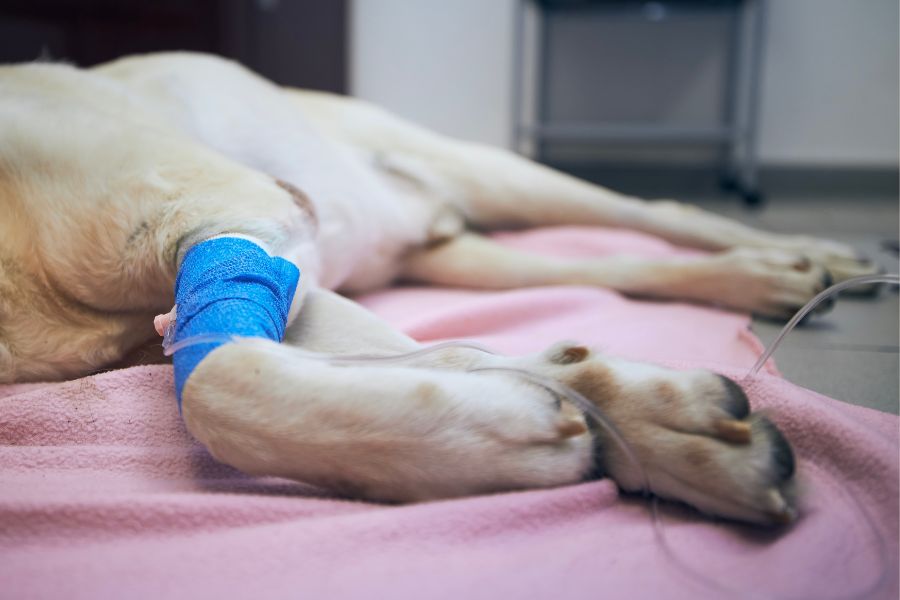
Care plans depend on injury type, age, size, and lifestyle. Mild strains respond to rest, controlled walks, and comfort measures. Joint sprains may need bracing and guided exercises. Fractures require stabilization and strict activity limits. When a knee ligament fails, structured rehabilitation and pet surgery restore stability and reduce long-term arthritis risk.
Cruciate Ligament Rupture appears again here because it often benefits from a combined approach that includes stabilization, rehab, and close follow-up. Many pets return to their favorite activities with patience and consistent care.
When to Seek Help Right Away
Sudden non–weight–bearing, obvious deformity, severe swelling, or intense pain call for prompt evaluation. Fever, lethargy, or loss of appetite signal systemic stress. Early assessment shortens recovery and limits secondary damage to joints and muscles.
Conclusion
Clear observation, timely exams, and a tailored plan help distinguish ligament tears from strains, bone injuries, and joint wear. With supportive care, rehabilitation, and, when needed, pet surgery, many pets regain confidence in movement. Cruciate Ligament Rupture stands out for its impact on knee stability; outcomes improve with early action and guided recovery. Partnering with your care team keeps goals realistic and progress steady.
We are conveniently located in Berlin, VT, and welcome you to our location at 2386 Airport Rd, Berlin, VT 05641 — where compassionate care and community come together for your pet’s well-being. Schedule an appointment with Onion River Animal Hospital.
Frequently Asked Questions(FAQs):
1. How can I tell if my pet’s limp is serious?
A: A limp lasting longer than forty eight hours, worsening pain, or refusal to use the leg suggests more than a simple strain. Swelling near joints, crying when touched, or behavior changes also signal the need for an exam.
2. Will rest alone fix most leg injuries?
A: Short rest helps mild strains; many conditions need targeted care. If improvement stalls after several days, imaging and a structured plan prevent chronic pain and instability that can follow untreated joint or bone problems.
3. Is imaging always required?
A: Not always. Clear muscle strains may recover without scans. Persistent lameness, suspected fractures, or unstable joints benefit from X-rays or advanced imaging to guide safe, effective treatment and support a clear path to long term comfort.
4. What does recovery usually involve?
A: Recovery blends activity limits, guided exercises, comfort care, and gradual return to movement. Some cases include braces or pet surgery. Consistency at home and scheduled rechecks shape outcomes more than any single therapy.
5. Can weight affect healing?
A: Yes. Extra pounds increase joint stress and slow progress. Modest weight loss improves comfort, mobility, and surgical results. Your care team can outline a realistic feeding and activity plan for steady, lasting improvement.
6. Are both legs at risk after one injury?
A: Compensation places added load on the opposite limb. Strengthening, traction at home, and follow-up visits reduce this risk. Early rehab supports balanced movement and protects remaining joints, and supports confidence during daily activities.