Same-Day Appointments Available


When Should Puppies Start Core Vaccinations?
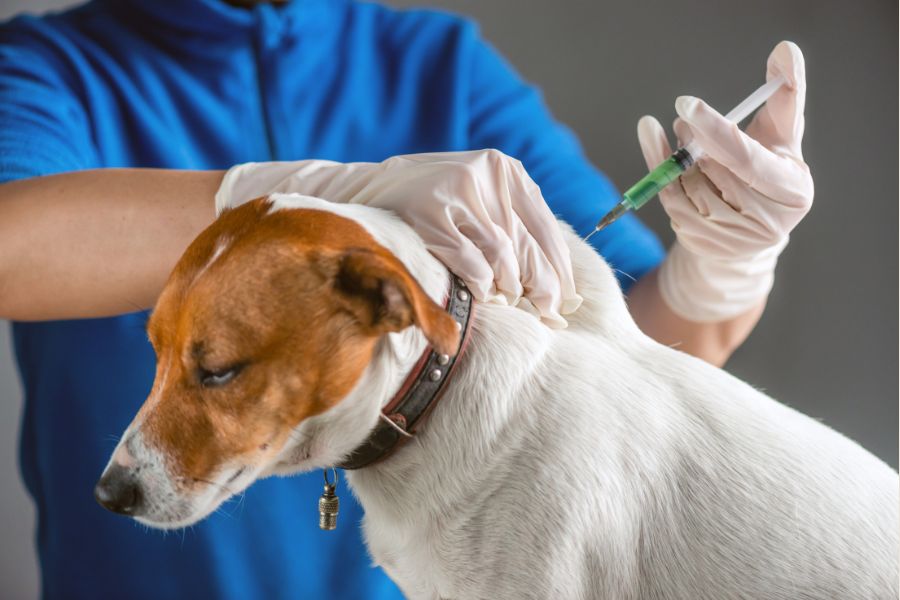
Bringing home a new puppy is exciting. You’re thinking about toys, training, and all the little moments ahead. But there’s one question every responsible dog owner should ask early on:
When should puppies start core vaccinations?
The answer is simple: most puppies begin core vaccines for dogs at 6 to 8 weeks of age.
But there’s more to understand. Timing matters. The number of doses matters. And knowing why these vaccines are essential helps you make confident decisions about your puppy’s health.
Let’s walk through everything step by step in a clear, practical way.
What Are Core Vaccines for Dogs?
Core vaccines for dogs protect against serious, life-threatening diseases that are common and highly contagious. These vaccines are recommended for all puppies, regardless of breed, size, or lifestyle.
The main core vaccines include protection against:
- Distemper
- Parvovirus
- Adenovirus (Hepatitis)
- Rabies
Distemper, parvovirus, and adenovirus are often combined into one shot known as DA2PP or DHPP. Rabies is given separately and is required by law in most states.
These diseases spread easily and can cause severe illness or death. Vaccination gives your puppy the protection they need during their most vulnerable months.
Why Puppies Need Vaccines Early
Newborn puppies receive temporary immunity from their mother’s milk. This protection comes from antibodies passed during nursing. It helps shield them in the first weeks of life.
But here’s the challenge:
- Maternal antibodies fade over time.
- They fade at different rates in each puppy.
- Once they fade, your puppy becomes vulnerable to disease.
Core vaccines for dogs are given in a series because veterinarians cannot predict exactly when maternal protection disappears. The goal is to make sure your puppy is protected at the right moment.
Puppy Core Vaccination Timeline
1. 6–8 Weeks Old: First Round
Most puppies receive their first round of core vaccines for dogs between 6 and 8 weeks of age.
This visit usually includes:
- DA2PP (distemper, adenovirus, parvovirus, parainfluenza)
At this stage, your puppy may still have some maternal antibodies. That’s normal. This first dose starts the protection process.
2. 9–12 Weeks Old: Second Round
Your puppy will return every 3 to 4 weeks for boosters.
The second visit often includes:
- Another DA2PP vaccine
Each booster strengthens immunity. Skipping a booster leaves gaps in protection.
3. 12–16 Weeks Old: Final Puppy Boosters
The final round of core vaccines for dogs typically occurs between 12 and 16 weeks.
This visit may include:
- Final DA2PP booster
- First rabies vaccine (timing depends on state law and veterinary guidance)
After this final round, your puppy’s immune system has strong protection against the most dangerous viral threats.
Why the Series Matters
Some owners ask, “Can’t we just give one vaccine and be done?”
The answer is no.
Because maternal antibodies interfere with vaccines, a single shot may not work. The series ensures that:
- At least one dose works at the right time.
- Immunity builds properly.
- Long-term protection develops.
Stopping early puts your puppy at risk.
What Diseases Do Core Vaccines Prevent?
Understanding the risks helps explain why these vaccines are so important.
1. Canine Parvovirus
Parvo spreads through contact with infected feces and contaminated surfaces. It attacks the digestive system and causes:
- Severe vomiting
- Bloody diarrhea
- Dehydration
- High mortality in puppies
Parvo can live in the environment for months. Puppies are especially at risk.
2. Canine Distemper
Distemper affects multiple systems, including:
- Respiratory system
- Gastrointestinal system
- Nervous system
It can cause seizures and permanent neurological damage. Survival rates are low in unvaccinated puppies.
3. Adenovirus (Canine Hepatitis)
This virus affects the liver and can cause:
- Fever
- Abdominal pain
- Liver failure
Vaccination has dramatically reduced cases in the U.S., but outbreaks still occur in unprotected populations.
4. Rabies
Rabies affects the nervous system and is fatal once symptoms appear. It can also spread to humans. That’s why rabies vaccination is legally required in most states.
When Is It Safe to Take Puppies Outside?
This is one of the most common concerns for new dog owners.
Puppies should avoid high-risk areas until they complete their core vaccines for dogs at around 16 weeks.
Avoid:
- Dog parks
- Pet store floors
- Areas with unknown dogs
- Shared water bowls
Safe options include:
- Your private yard (if no unvaccinated dogs visit)
- Carrying your puppy in public
- Controlled socialization with vaccinated dogs
Early socialization is important. Just do it safely and with guidance from your veterinarian.
What Happens If You Miss a Vaccine?
Life happens. Appointments get delayed.
If you miss a booster by more than a few weeks, your veterinarian may recommend restarting part of the series. This depends on timing and risk factors.
Do not guess. Call your vet and follow their advice. Maintaining the right schedule keeps protection strong.
Are Core Vaccines for Dogs Safe?
Core vaccines for dogs have been widely studied and monitored for decades.
Most puppies experience:
- Mild soreness at the injection site
- Slight tiredness for 24 hours
Serious reactions are rare. When they occur, they may include:
- Facial swelling
- Vomiting
- Hives
If you notice unusual symptoms, contact your veterinarian right away.
The risk of disease is far greater than the risk of vaccination.
What Happens After the Puppy Series?
After completing the puppy series:
- DA2PP booster is usually given one year later.
- Rabies booster timing depends on state laws (often 1 or 3 years).
Your veterinarian will build a long-term vaccination plan based on your dog’s lifestyle and local risk.
Vaccines are part of a broader preventive plan that includes exams, parasite prevention, and routine pet wellness care.
How to Prepare for Your Puppy’s First Vaccine Visit
Make the appointment calm and positive.
Bring:
- Any breeder or shelter medical records
- A stool sample, if requested
- Your list of questions
During the visit, your veterinarian will:
- Perform a full physical exam
- Discuss vaccine timing
- Review deworming
- Talk about nutrition and behavior
This first visit sets the foundation for your puppy’s lifelong health.
Signs Your Puppy Needs Immediate Veterinary Care
Even if vaccinated, contact your veterinarian if your puppy shows:
- Repeated vomiting
- Severe diarrhea
- Loss of appetite
- Lethargy
- Fever
Vaccines reduce risk, but no protection is 100%. Early treatment improves outcomes.
Common Mistakes to Avoid
- Delaying the first vaccine beyond 8 weeks.
- Skipping boosters.
- Taking puppies to dog parks too early.
- Assuming indoor dogs don’t need vaccines.
- Forgetting rabies requirements.
Core vaccines for dogs are not optional. They are foundational protection.
Conclusion: Protecting Your Puppy Starts Early
So, when should puppies start core vaccinations?
They should begin core vaccines for dogs at 6 to 8 weeks of age and continue boosters every 3 to 4 weeks until about 16 weeks old. This schedule builds strong immunity during a critical window of development.
Vaccination is one of the simplest and most effective steps you can take to protect your puppy from serious disease. It is clear, science-based prevention that saves lives.
If you have questions about timing or your puppy’s specific needs, talk with a licensed veterinarian and schedule a consultation with Onion River Animal Hospital.
Your puppy depends on you. Starting early makes all the difference.
Frequently Asked Questions(FAQs):
1. When exactly should puppies start core vaccinations?
Most puppies start core vaccines for dogs between 6 and 8 weeks of age.
2. How many rounds of core vaccines do puppies need?
Puppies usually receive 3 to 4 rounds, spaced every 3 to 4 weeks, until 16 weeks old.
3. Can my puppy get sick from vaccines?
Mild side effects are possible. Serious reactions are rare. The diseases these vaccines prevent are far more dangerous.
4. Is rabies part of the core vaccines for dogs?
Yes. Rabies is considered a core vaccine and is legally required in most states.
5. What if I adopt an older puppy with no vaccine records?
Your veterinarian may recommend starting the core vaccine series to ensure proper protection.
6. Do small breeds follow a different vaccine schedule?
No. Core vaccines for dogs follow the same schedule regardless of breed size.