Same-Day Appointments Available


Cat Teeth Numbers Made Simple: Kittens, Adults, and Oral Health
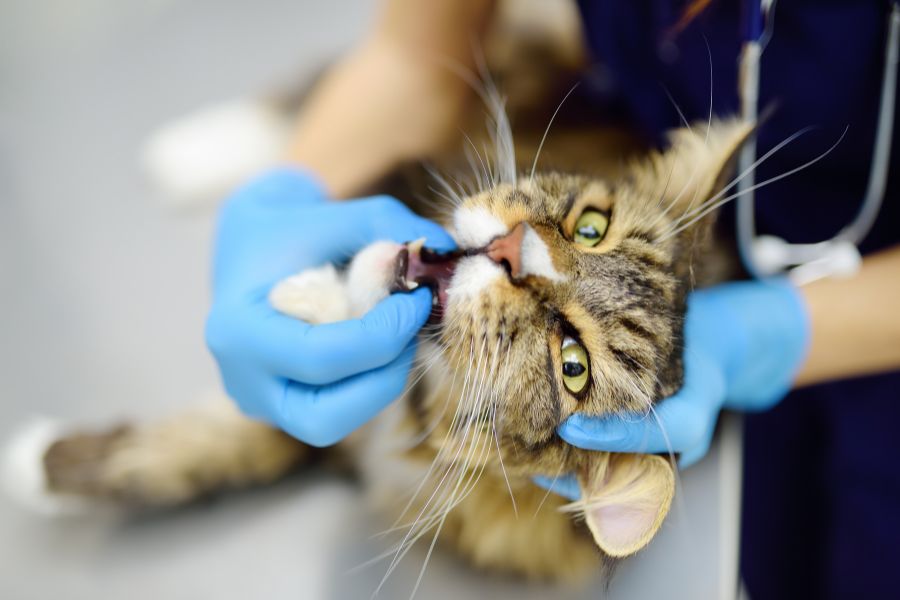
Cats use their teeth for eating, grooming, play, and defense, and understanding their dental setup matters for daily care. This guide explains how many teeth cats have at each life stage, what those teeth do, common problems, and simple ways to protect oral health at home.
You will learn kitten timelines, adult tooth counts, signs of trouble, cleaning tips, diet choices, and when professional support helps. The overview answers practical questions without heavy jargon and offers clear steps any cat parent can follow. If you ever wondered about how many teeth cats have, this article gives a complete picture in one place, ending with local care resources in Berlin, VT.
How Many Teeth Do Cats Have?
Kittens arrive without teeth. Baby teeth appear in stages, fall out as adult teeth grow in. Most adult cats carry thirty permanent teeth designed for slicing meat and gripping prey. The number stays consistent across breeds, though jaw size and tooth spacing differ.
Kitten Teeth: What to Expect
Kittens start teething around three weeks. Twelve tiny incisors and four canines come first. Premolars follow, bringing the baby total to twenty-six. These sharp, delicate teeth help kittens learn to chew soft foods and explore their world through play.
Adult Cat Teeth: The Final Count
Adult teeth replace baby teeth between three and six months. The full set includes twelve incisors, four canines, ten premolars, and four molars. Each shape serves a purpose: incisors pick, canines hold, premolars shear, molars crush small bits.
Why Cat Dental Health Matters
Healthy teeth support appetite, comfort, and overall wellness. Plaque builds fast on small mouths. Untreated buildup leads to sore gums, bad breath, and infection that affects energy and behavior. Routine checks catch problems early and keep cats eating happily.
Education empowers owners. Short demos during visits, printed checklists, and reminder apps raise success rates. Many clinics blend coaching with pet dentistry plans that outline brushing schedules, diet swaps, and recheck dates. Clear pricing and written summaries reduce anxiety. Photos of progress motivate consistency. Families who track breath, gums, and appetite spot changes sooner, which saves time and keeps cats comfortable across every season.
Many owners explore pet dentistry for professional cleanings, imaging, and treatment plans. Home care paired with clinic visits offers the strongest protection. When teeth feel good, cats groom better, play longer, and maintain stable weight.
Common Dental Problems in Cats
- Gum inflammation: Red, tender gums bleed during chewing or brushing.
- Tartar buildup: Hardened plaque irritates tissue and traps bacteria.
- Tooth resorption: The body breaks down tooth structure, causing pain.
- Fractures: Hard toys or falls chip enamel.
- Abscesses: Infection pockets swell near roots.
Watch for drooling, pawing at the mouth, appetite changes, or hiding. These signs deserve prompt attention.
Simple Home Care That Works
Consistency matters more than perfection. Start slow with finger brushing and a soft, cat-safe paste. Aim for several short sessions each week with daily patience. Offer dental treats approved for cats. Choose wet and dry foods that reduce residue. Rotate toys to limit wear on single teeth.
Water additives help some cats. Regular weight checks reveal chewing discomfort early. Keep nails trimmed to prevent mouth injuries during play. Ask your care team to demonstrate brushing techniques during visits.
Feeding for Strong Teeth
Protein-rich diets support jaw strength. Crunchy kibble scrapes plaque, while moist food increases hydration. Mixing textures suits many cats. Avoid sticky table scraps. Measure portions to prevent obesity, which complicates dental care.
When Professional Care Helps
A clinic exam spots hidden issues beneath the gumline. Simple digital imaging reveals root changes. Gentle cleaning removes stubborn tartar. Targeted treatment relieves pain and restores function. Pet dentistry services vary by clinic; ask about prevention plans, home tools, and follow-up schedules.
Owners often ask about how many teeth cats have during these visits because missing or damaged teeth change chewing habits. Tracking counts over time builds a very helpful record.
Conclusion
Caring for a cat’s teeth feels manageable with clear expectations, steady routines, and timely support. Learn your cat’s normal mouth, track changes, and keep simple tools handy. Ask questions about how many teeth cats have at each stage, choose diets that suit chewing, and consider pet dentistry as part of preventive care.
Small steps at home create lasting comfort and brighter smiles. We are conveniently serving, and welcome you to our location: 2386 Airport Rd, Berlin, VT 05641 — where compassionate care and community come together for your pet’s well-being. Schedule an appointment with Onion River Animal Hospital.
Frequently Asked Questions(FAQs):
1. How many teeth do cats have as kittens, and when do they fall out?
A: Most kittens develop twenty-six baby teeth by eight weeks. These loosen between three and six months as adult teeth push through. You may find tiny teeth on bedding. Mild gum soreness during this period stays normal.
2. Do indoor cats need dental care?
A: Yes. Indoor living reduces injury risk, not plaque. Soft diets and limited chewing speed buildup. Brushing, dental treats, and checkups protect comfort and appetite. Indoor cats hide pain well; routine care matters.
3. At what age should brushing start?
A: Begin as soon as kittens accept gentle mouth handling. Short daily touches build trust. Introduce paste flavors and a brush. Adults learn too with patience. Early habits lower stress and keep gums healthy for years.
4. Can bad teeth affect a cat’s behavior?
A: Yes. Mouth pain reduces play, increases hiding, and triggers irritability. Some cats stop grooming. Appetite drops or becomes picky. Treating oral issues often restores energy and sociability within days for many cats.
5. Are dental toys effective?
A: They help when used alongside brushing. Textured toys massage gums and slow plaque on specific teeth. Rotate options to keep interest. Avoid overly hard items that crack enamel for daily play.
6. How often should cats see a professional for teeth checks?
A: Annual exams suit many adults. Seniors or cats with prior problems benefit from twice-yearly checks. Your provider tailors schedules based on buildup rate, diet, and home care success for long-term comfort.