Same-Day Appointments Available


Pet Summer Safety Checklist: Keep Your Pet Cool and Healthy
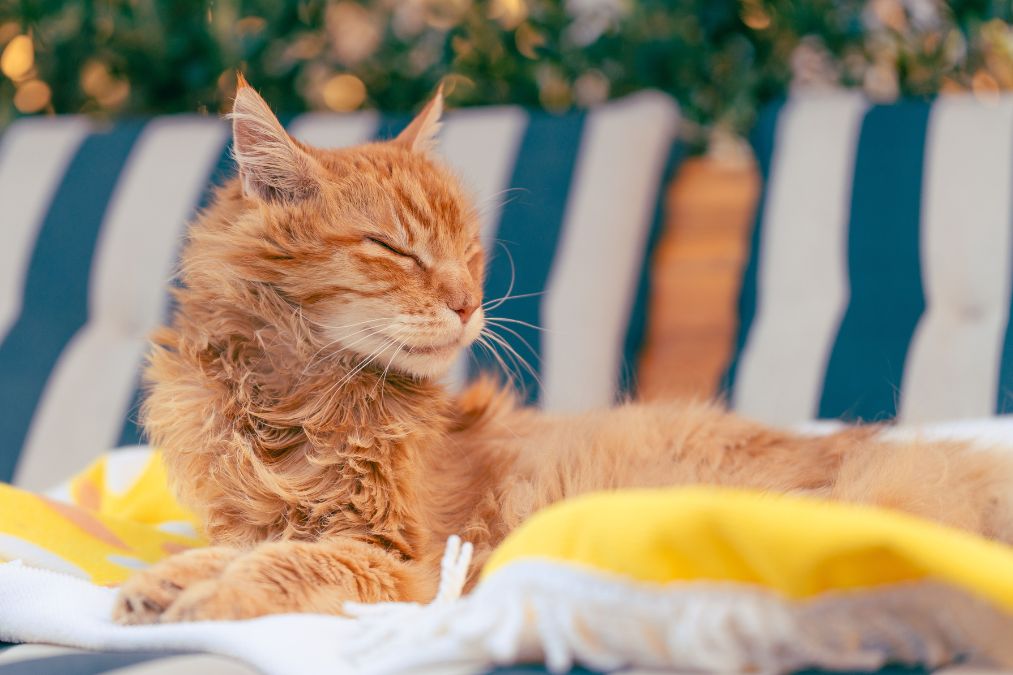
Summer brings longer days, outdoor fun, and more time with your pet, but it also introduces risks that require careful attention. This guide covers practical summer safety tips for pets, including hydration, heat prevention, grooming, travel care, and warning signs to watch for.
You will learn how to create a safe daily routine, adjust activities during rising temperatures, and respond quickly if your pet shows signs of distress. For pet owners in Berlin, VT, these insights are especially useful during humid days and fluctuating temperatures that can affect your pet’s comfort.
Why Summer Safety Matters for Pets
Pets cannot regulate heat the same way humans do. High temperatures, humidity, and hot surfaces can quickly lead to discomfort or serious health issues. Dogs and cats rely on limited cooling mechanisms, making them more vulnerable during peak summer days.
A proactive approach helps prevent problems before they start. Small adjustments to your pet’s daily routine can make a significant difference in their safety and overall well-being.
Daily Summer Safety Checklist
1. Keep Fresh Water Available
Hydration is the foundation of summer care. Always provide clean, cool water both indoors and outdoors. Consider placing multiple water bowls around your home to encourage regular drinking.
For outdoor time, carry a portable water bottle and a collapsible bowl. Pets can become dehydrated faster than expected, especially during walks or playtime.
2. Provide Adequate Shade and Cooling Areas
If your pet spends time outside, ensure there is constant access to shaded areas. Trees, covered patios, or pet shelters help reduce direct sun exposure.
Indoors, use fans or air conditioning to maintain a comfortable temperature. Cooling mats or damp towels can offer additional relief during particularly warm afternoons.
3. Avoid Midday Heat
Plan walks and outdoor activities during early morning or late evening when temperatures are lower. Midday heat can be intense, especially on paved surfaces.
A simple test: place your hand on the pavement for a few seconds. If it feels too hot for you, it is too hot for your pet’s paws.
4. Never Leave Pets in Parked Cars
Even a short time in a parked car can become dangerous. Temperatures inside a vehicle rise quickly, even with windows slightly open.
Always take your pet with you or leave them safely at home when running errands.
5. Grooming and Coat Care
Regular grooming helps your pet stay cool. Brushing removes excess fur and prevents matting, which can trap heat.
Avoid shaving your pet completely unless advised, as their coat can also protect them from sun exposure.
6. Watch for Signs of Heat Stress
Recognizing early warning signs can prevent emergencies. Look for:
- Excessive panting
- Drooling
- Lethargy
- Vomiting
- Difficulty walking
If these symptoms appear, move your pet to a cool area immediately and offer water. Contact a veterinarian near you if symptoms persist or worsen.
Outdoor Safety Tips
1. Protect Paws from Hot Surfaces
Pavement, sand, and asphalt can become extremely hot. Use grassy paths when possible or invest in protective booties for your pet.
2. Limit Intense Exercise
High-energy activities should be shortened or adjusted during summer. Replace long runs with shorter walks or indoor play sessions.
3. Use Pet-Safe Sunscreen
Pets with light-colored fur or exposed skin are at risk of sunburn. Apply pet-safe sunscreen to sensitive areas like the nose and ears when spending extended time outdoors.
Travel and Vacation Safety
Summer often means road trips and vacations. Planning ensures your pet stays comfortable during travel.
- Keep the car well-ventilated
- Schedule frequent breaks for water and rest
- Never leave your pet unattended in the vehicle
- Pack essentials such as food, medications, and familiar items
Consistency helps reduce stress and keeps your pet feeling secure in unfamiliar environments.
Indoor Comfort Strategies
Even indoors, rising temperatures can affect your pet.
- Keep curtains closed during peak sunlight hours
- Provide cool resting spots on tile or shaded floors
- Avoid overcrowded spaces with poor airflow
Interactive toys and mental stimulation can help reduce the need for physical activity during hotter parts of the day.
Nutrition and Feeding Adjustments
Pets may eat less during warmer months. This is normal, but hydration remains essential.
- Offer smaller, more frequent meals if needed
- Avoid leaving food out for extended periods
- Include water-rich treats like pet-safe fruits in moderation
Balanced nutrition supports energy levels without overloading your pet during the heat.
When to Seek Professional Help
If your pet shows ongoing signs of discomfort, dehydration, or unusual behavior, professional guidance is important. Early intervention prevents complications and ensures proper care.
Do not delay if symptoms escalate. Quick action can make a critical difference in your pet’s recovery and comfort.
Conclusion
Caring for your pet during summer requires attention, preparation, and consistency. By following a simple checklist and staying aware of environmental changes, you can create a safe and enjoyable season for your companion. These summer safety tips for pets help reduce risks while supporting comfort and health throughout the warmer months.
If you notice any concerning symptoms or need guidance tailored to your pet, do not hesitate to book an appointment with a trusted professional. Reach out to our Berlin facility at 2386 Airport Rd, Berlin, VT 05641—where compassionate care and community come together for your pet’s well-being.
FAQs About Pet Summer Safety
1. How much water should my pet drink in summer?
A: Pets typically need more water during warmer months. The exact amount depends on size and activity level. Monitor their intake closely and ensure fresh water is always available to prevent dehydration and overheating.
2. Can pets get sunburned?
A: Yes, pets can get sunburned, especially those with short or light-colored fur. Sensitive areas like the nose and ears are most vulnerable. Use pet-safe sunscreen and limit direct sun exposure during peak hours.
3. What temperature is too hot for pets?
A: Temperatures above 85°F can be risky, especially with high humidity. Each pet reacts differently, so watch for signs of discomfort and adjust activities accordingly to keep them safe and comfortable.
4. Are cooling mats effective for pets?
A: Cooling mats can be very helpful in regulating your pet’s body temperature. They provide a comfortable surface for resting and can reduce the risk of overheating during hot days indoors or outdoors.
5. How do I know if my pet is overheating?
A: Common signs include heavy panting, drooling, weakness, and vomiting. Immediate action is required. Move your pet to a cool area, offer water, and seek professional help if symptoms do not improve quickly.
6. Should I change my pet’s exercise routine in summer?
A: Yes, adjust exercise times to cooler parts of the day. Reduce intensity and duration to prevent heat stress. Indoor play can be a safe alternative during extremely hot weather conditions.