Same-Day Appointments Available

Dog Urinary Tract Infections: What You Need to Know
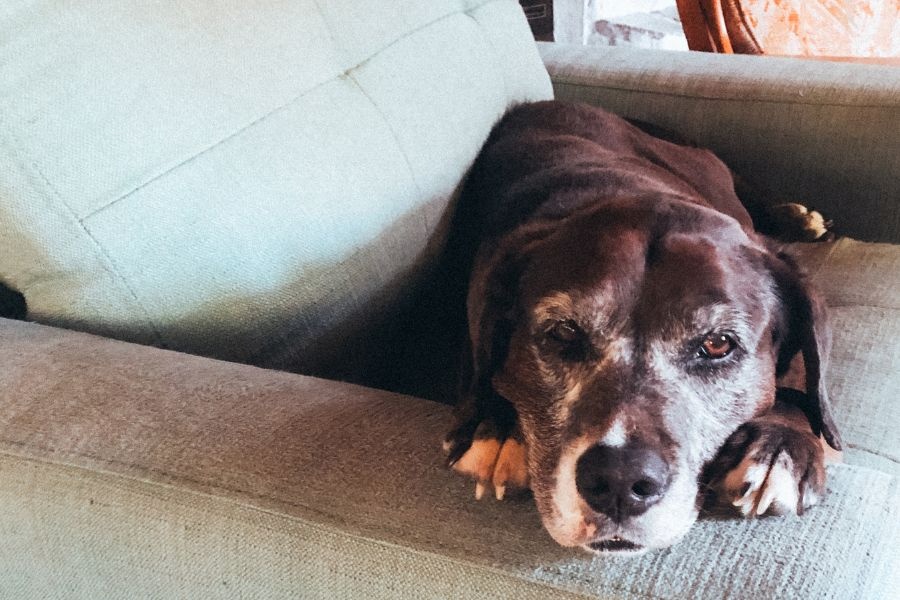
Your dog squats to urinate, strains, and then looks up at you with confused eyes. Nothing comes out. A few minutes later, she tries again. If this sounds familiar, your dog may be dealing with a dog urinary tract infection, and the discomfort she is feeling is very real. UTIs are one of the most common health issues we see in dogs of all ages and breeds. They can develop quickly and, if left untreated, can lead to more serious complications involving the bladder or kidneys. The good news is that with prompt veterinary attention, most dogs recover fully and quickly. This article explains what causes UTIs in dogs, how to recognize the signs early, and what you can do to protect your pet’s urinary health long-term.
What Is a Dog Urinary Tract Infection?
A dog urinary tract infection occurs when bacteria enter the urethra and multiply inside the bladder. The bacteria most often responsible are naturally present in the environment or on the skin near the urogenital area. Once inside the bladder, they irritate the lining and cause inflammation, which produces the symptoms most pet owners notice first.
UTIs are among the most frequently diagnosed conditions in companion animals. Studies estimate that up to 14 percent of all dogs will experience a urinary tract infection at some point in their lives. Female dogs are diagnosed more often than males because their urethra is shorter, making it easier for bacteria to reach the bladder. However, male dogs are not immune, and older dogs of both sexes face a higher baseline risk.
Some dogs experience a single isolated episode. Others deal with recurrent infections, which signal an underlying issue that needs a closer look. Either way, a confirmed UTI is not something to manage at home without guidance from your veterinarian.
UTI Symptoms in Dogs to Watch For
Recognizing UTI symptoms in dogs early is the single most important thing a pet owner can do. The earlier a UTI is caught, the easier it is to treat and the less discomfort your dog endures. Here are the signs that should prompt a call to your veterinarian:
- Straining or crying during urination: Your dog squats or lifts a leg, strains visibly, and produces little to no urine. This is often the first symptom owners notice.
- Frequent, urgent trips outside: If your dog is asking to go out far more often than usual, the bladder is likely irritated and sending constant signals to empty.
- Blood in the urine: Urine that appears pink, red, or cloudy is a clear warning sign. Any visible blood warrants same-day veterinary attention.
- Strong or unusual urine odor: A sharper, more pungent smell than normal can indicate bacterial activity inside the bladder.
- Licking the urogenital area: Persistent licking at the back end is often an attempt to relieve irritation caused by infection.
- Accidents indoors: A house-trained dog suddenly urinating inside is often a signal of a medical issue, not a behavioral one.
One thing we observe frequently in practice is that many pet owners assume their dog is being stubborn or attention-seeking when accidents start happening indoors. In most cases, the dog is experiencing real pain and urgency and has no control over it. If you see any of the signs above, contact your veterinarian promptly.
Causes and Risk Factors
Understanding what triggers a UTI can help you reduce your dog’s risk. The most common cause is bacterial contamination from outside the body, but several factors make some dogs more vulnerable than others.
Age and immune status: Senior dogs and those on immunosuppressive medications have a harder time fighting off bacterial colonization in the bladder.
Anatomy: Female dogs are inherently at higher risk because of their shorter urethra. Dogs with skin folds around the vulva face added exposure to moisture and bacteria trapped in those folds.
Underlying health conditions: Diabetes, Cushing’s disease, and kidney disease all create an environment where bacteria are more likely to thrive. Bladder stones can also harbor bacteria and cause recurrent infections.
Infrequent urination: Dogs that do not get enough outdoor time to urinate regularly may hold urine longer than is healthy. Bacteria that enter the urinary tract have more time to multiply when the bladder is not flushed regularly.
In Vermont, dogs that spend time outdoors in wet or muddy conditions, especially during mud season and after heavy rainfall, have additional environmental exposure that can contribute to bacterial contact. Rinsing and drying the genital area after outdoor activity in messy conditions is a simple preventive step.
How Vets Diagnose and Treat Dog UTIs
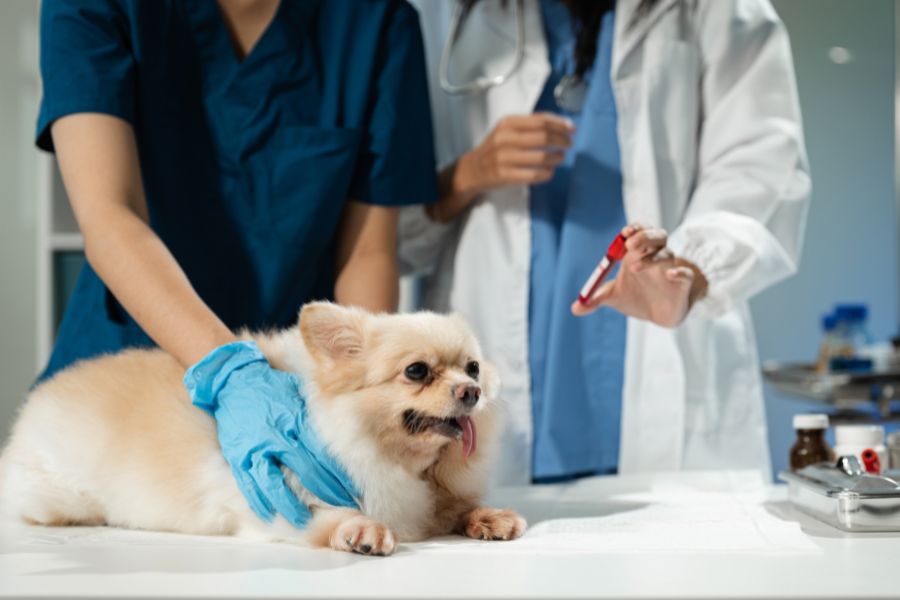
When you bring your dog in with possible UTI symptoms, your veterinarian will begin by collecting a urine sample. Understanding how vets treat dog UTIs starts with that sample, which is analyzed in a urinalysis to check for white blood cells, red blood cells, bacteria, and crystals. In many cases, a urine culture is also performed to identify the specific bacteria involved and confirm which antibiotic will be most effective.
This step matters more than many pet owners realize. Using the wrong antibiotic not only fails to resolve the infection but can also contribute to antibiotic resistance, making future infections harder to treat.
Treatment typically follows these steps:
- Urinalysis and culture results confirm the diagnosis and bacterial type.
- Your veterinarian prescribes the appropriate antibiotic based on culture sensitivity.
- Your dog completes the full antibiotic course, usually 7 to 14 days, depending on severity.
- A follow-up urine sample confirms the infection has cleared completely.
- If infections recur, further diagnostics, such as imaging or bloodwork, can identify any underlying cause.
One pattern we see regularly at the clinic is dogs brought in after owners stopped antibiotics early because the dog seemed better. Stopping treatment before the course is complete allows surviving bacteria to rebound, often more resistant than before. Always finish the full prescription.
Dog UTI Prevention Tips and Long-Term Care
Preventing future infections is just as important as treating the current one. These dog UTI prevention tips are practical steps every owner can take to support bladder health year-round.
- Encourage frequent urination: Make sure your dog has regular outdoor access throughout the day. Puppies, seniors, and dogs on diuretics may need more frequent trips.
- Provide constant access to fresh water: Adequate hydration keeps urine dilute, which makes it harder for bacteria to thrive. Change water daily and keep the bowl clean.
- Wipe and dry after wet outdoor time: Dogs that spend time in muddy or wet conditions benefit from a gentle wipe-down of the rear area before coming inside.
- Feed a balanced diet: Good nutrition supports a healthy immune system. Your veterinarian can recommend diet adjustments if your dog is prone to urinary issues or bladder crystals.
- Schedule routine wellness visits: Annual or biannual dog wellness checkups allow your vet to catch early signs of conditions like diabetes or kidney disease that increase UTI risk before they become serious problems.
A common misconception is that cranberry supplements or home remedies can cure an active dog UTI. While some supplements may support urinary tract health as a preventive measure, they cannot eliminate an active bacterial infection. A confirmed UTI requires veterinary diagnosis and antibiotic treatment, not a wait-and-see approach.
The vet team at Onion River Animal Hospital is experienced in diagnosing and managing urinary tract infections in dogs of all breeds and ages.
Conclusion
A dog urinary tract infection is painful, disruptive, and entirely treatable when caught early. The key is knowing the warning signs, acting quickly, and following your veterinarian’s treatment plan all the way through. Frequent urination attempts, accidents indoors, blood in the urine, and unusual odor are all reasons to call your vet the same day. With the right diagnosis, the correct antibiotic, and a few consistent preventive habits, most dogs recover fully and stay comfortable long-term. If your dog has been showing any of the symptoms described in this article, do not wait to see if they resolve on their own. Reach out to your veterinary team in Berlin for guidance and care. Book an appointment today.
Frequently Asked Questions
Q: How can I tell if my dog has a UTI at home?
Ans: Common signs include straining to urinate, frequent trips outside with little output, blood-tinged or cloudy urine, strong urine odor, and indoor accidents in a house-trained dog. You cannot confirm a UTI at home, but these symptoms are a clear signal to contact your veterinarian for a urine test.
Q: Can a dog UTI go away on its own without antibiotics?
Ans: In most cases, no. Bacterial UTIs require antibiotic treatment to fully clear the infection. Leaving a UTI untreated allows bacteria to spread to the kidneys, which can cause much more serious illness. Always have a suspected UTI evaluated by your veterinarian rather than waiting for it to resolve.
Q: How long does it take for a dog UTI to clear up with treatment?
Ans: Most uncomplicated UTIs improve noticeably within 48 to 72 hours of starting antibiotics, but the full course typically runs 7 to 14 days. It is important to complete every dose even if your dog appears better, and a follow-up urine check confirms the infection is completely gone.
Q: Why does my dog keep getting UTIs?
Ans: Recurrent UTIs often point to an underlying cause such as bladder stones, diabetes, Cushing’s disease, anatomical factors, or a weakened immune system. If your dog has had two or more UTIs in a year, ask your veterinarian about further diagnostics to identify and address the root issue.
Q: Are certain dog breeds more prone to urinary tract infections?
Ans: Female dogs across all breeds are more susceptible than males due to their shorter urethra. Breeds prone to obesity, diabetes, or skin fold anatomy around the vulva face additional risk. Senior dogs of any breed are also more vulnerable. Your veterinarian can advise on breed-specific or individual risk factors for your dog.