Same-Day Appointments Available


How In-House Lab Testing Speeds Up Diagnosis for Sick Pets
When your pet is sick, every hour matters. Pet owners know how stressful it is to watch an animal feel unwell and wonder what’s wrong. In-house pet lab testing gives veterinarians immediate answers, so your pet spends less time waiting and more time recovering. Instead of sending samples to an outside lab and waiting days for results, our team can run diagnostics right here and start treatment the same day. This article explains exactly how on-site lab testing works, why it matters for your pet’s health, and what you can expect during a visit. Whether your dog is lethargic, your cat has stopped eating, or you simply want routine bloodwork done quickly, fast diagnostic testing makes a real difference. When time is critical, in-house testing is one of the most valuable tools a vet clinic can offer.
What Is In-House Pet Lab Testing and Why Does It Matter?
In-house pet lab testing means your veterinarian runs blood panels, urinalysis, fecal tests, and other diagnostics right at the clinic. No samples are shipped to an outside lab. No waiting two to three days for results. The vet gets answers within minutes and can act immediately.
This matters because sick animals can decline quickly. A dog vomiting repeatedly or a cat with sudden weight loss may have conditions that worsen by the hour. The sooner a vet identifies the underlying cause, the sooner treatment begins.
According to the American Veterinary Medical Association (AVMA), early diagnosis is one of the strongest predictors of positive outcomes in companion animals. On-site testing removes one of the biggest gaps in that timeline. It also reduces the stress of follow-up calls, second appointments, and uncertainty.
Signs Your Pet May Need Same-Day Lab Work
Some symptoms require urgent answers. If your pet shows any of the following signs, same-day pet blood work may be exactly what your vet needs to move forward.
- Sudden lethargy or weakness: This can signal anemia, infection, or organ dysfunction.
- Vomiting or diarrhea lasting more than 24 hours: These symptoms can lead to dangerous dehydration and may point to pancreatitis, kidney disease, or intestinal issues.
- Excessive thirst or urination: In our experience, these are often the first signs of diabetes or kidney disease, not just a seasonal change in behavior.
- Loss of appetite: A pet that stops eating may be dealing with nausea, pain, or a systemic illness.
- Yellow-tinted skin, gums, or eyes (jaundice): This is a warning sign of liver disease that needs immediate investigation.
- Straining to urinate: Especially in cats, this can become life-threatening within hours.
If you notice any of these signs, contact your veterinarian promptly. Do not wait to see if things improve on their own.
How Does In-House Testing Work During a Sick Pet Visit?
Many pet owners are surprised by how much we can learn from a single blood draw. Here is what a typical diagnostic visit looks like at our vet clinic in Berlin.
- Check-in and physical exam: Your vet performs a full nose-to-tail exam and notes any visible symptoms.
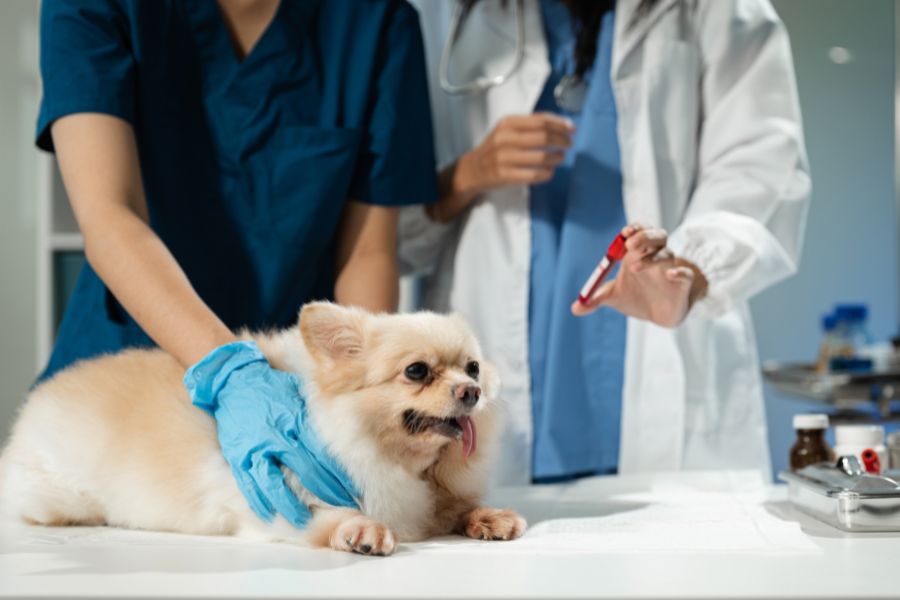
- Sample collection: A small blood draw, urine sample, or swab is collected, depending on the suspected issue.
- On-site analysis: Samples run through our in-house analyzers. A complete blood count (CBC) and chemistry panel can be ready in under 15 minutes.
- Result review: Your vet reads the results in real time and discusses findings with you.
- Treatment begins: Based on the results, your vet prescribes medication, recommends further imaging, or sets a treatment plan, all in the same appointment.
Pet owners often tell us how relieved they feel walking out with a diagnosis and a plan. Fast pet diagnosis vet visits eliminate the anxiety of waiting days without knowing what is wrong.
What Pet Wellness Lab Tests Can Detect
Routine pet wellness lab tests are not just for sick animals. Annual or semi-annual bloodwork gives your vet a baseline for your pet’s health. Deviations from that baseline are often the first sign of a developing condition, sometimes before symptoms even appear.
Common findings from wellness panels include:
- Elevated kidney values: Early kidney disease often shows no outward symptoms until it has progressed significantly.
- Abnormal liver enzymes: Can indicate early liver disease, medication effects, or toxin exposure.
- Low red blood cell counts: A sign of anemia, which may point to blood loss, immune issues, or bone marrow problems.
- High blood glucose: A consistent marker for diabetes in dogs and cats.
- Thyroid hormone imbalances: Hypothyroidism in dogs and hyperthyroidism in cats are both highly manageable when caught early.
The American Animal Hospital Association (AAHA) recommends annual wellness bloodwork for adult pets and twice-yearly panels for seniors. In-house analyzers make this fast, affordable, and easy to do as part of a routine visit.
Why Fast Results Lead to Better Outcomes for Sick Pets
A sick pet vet visit used to mean collecting samples, waiting several days, calling back for results, and scheduling a follow-up appointment. That timeline added stress for pet owners and delayed care for animals who needed it sooner.
In-house diagnostics check-up change that completely. When your vet can see results within minutes, they can rule out conditions, confirm a diagnosis, and begin the right treatment before your pet even leaves the building.
We frequently remind our clients that a sick pet vet visit with same-day results is not just more convenient. It is genuinely better medicine. Faster answers mean faster relief. For conditions like kidney failure, diabetic crisis, or infection, those extra hours can make a meaningful difference in recovery.
Pet owners in Barre often travel longer distances to reach a full-service clinic. Knowing that your vet can handle diagnostics without sending you somewhere else saves time, fuel, and unnecessary stress on your animal. Same-day pet blood work also means fewer trips, which is especially valuable for anxious pets or those with mobility challenges.
Conclusion
Fast, accurate answers give your pet the best chance at a quick recovery. In-house pet lab testing removes the waiting, the uncertainty, and the extra appointments that used to slow down diagnosis. Whether your animal is showing urgent symptoms or due for an annual wellness screening, on-site testing helps your vet act with confidence and speed. Pet wellness lab tests catch problems early, when treatment is most effective. Diagnostic results in minutes rather than days are not just a convenience. It is a standard of care that every pet deserves. At Onion River Animal Hospital, we are proud to offer comprehensive in-house diagnostics, so your pet gets answers and treatment when they need it most. Book an appointment today.
Frequently Asked Questions
What types of tests can be run in-house at a vet clinic?
Ans: Most veterinary clinics with in-house equipment can run complete blood counts (CBC), chemistry panels, urinalysis, thyroid panels, fecal parasite tests, and heartworm or tick-borne disease screening. These cover the most common diagnostic needs for both sick and wellness visits.
How long does in-house blood work take for a pet?
Ans: Most in-house blood panels are processed within 10 to 20 minutes. Your veterinarian can review results with you during the same appointment, which means you leave with answers and a treatment plan rather than waiting days for a callback.
Is in-house lab testing more expensive than sending samples to an outside lab?
Ans: Pricing varies by clinic, but in-house testing is often comparable to outside lab costs and frequently less expensive when you factor in the time saved. It also eliminates the need for a return visit to discuss results, which adds value for pet owners.
Do healthy pets need lab work, too?
Ans: Yes. Routine wellness bloodwork is recommended for all adult pets annually and for senior pets every six months. Baseline panels help your vet detect early changes in organ function before visible symptoms develop.
What should I do if my pet seems sick but I am not sure it is serious enough for a vet visit?
Ans: When in doubt, call your veterinarian. Symptoms like lethargy, vomiting, changes in drinking or urination, or loss of appetite can signal conditions that worsen quickly. Most clinics can help you assess urgency over the phone and schedule a same-day appointment if needed.