Same-Day Appointments Available


How to Discipline a Cat from Scratching Furniture (The Right Way)
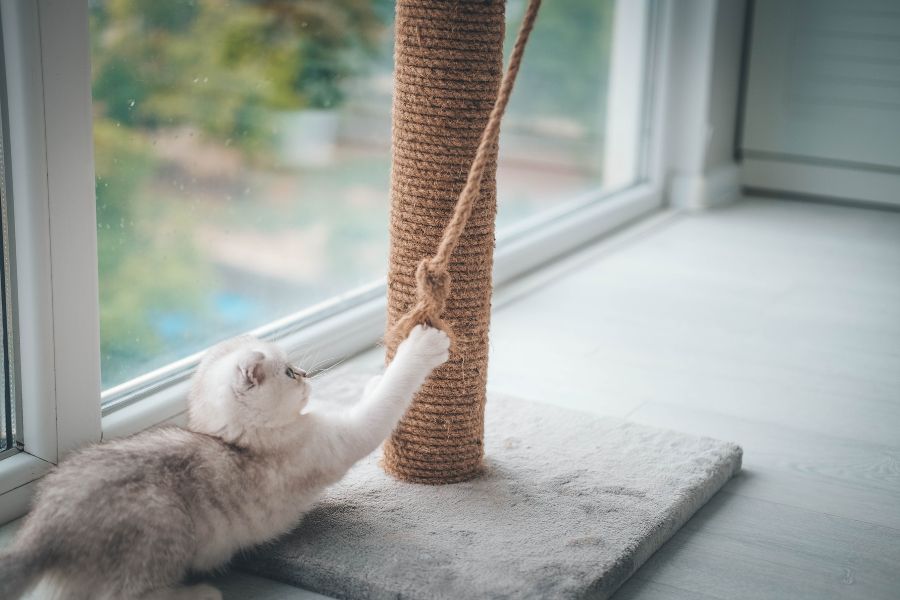
Scratched couches, torn chair legs, and damaged carpets can test any cat owner’s patience. If you’re dealing with this problem, you’re not alone. Many cat parents struggle to understand why their pet targets furniture and how to correct it without causing stress or fear.
The good news is that scratching is a natural behavior, not bad behavior. Once you understand the reason behind it, you can guide your cat toward better habits. This guide explains how to stop cats from scratching furniture in a way that is safe, humane, and effective.
Why Do Cats Scratch Furniture?
Before correcting the behavior, it helps to understand the cause. Scratching is not random. It serves several important purposes for cats.
1. Nail Maintenance
Cats scratch to remove the outer layer of their claws. This keeps their nails sharp and healthy.
2. Marking Territory
Cats have scent glands in their paws. When they scratch, they leave both a visual mark and a scent signal. This helps them feel secure in their space.
3. Stretching and Exercise
Scratching allows cats to stretch their muscles, especially in their legs, shoulders, and back.
4. Stress Relief
Cats may scratch more when they feel anxious or bored. It can be a way to release energy or cope with changes in their environment.
Understanding these reasons is the first step in learning how to stop cats from scratching furniture without punishing them unfairly.
How Do I Stop Cat Scratching Furniture?
There is no single quick fix. The most effective approach combines redirection, consistency, and environmental changes.
1. Provide Better Alternatives
Cats scratch because they need to. The goal is not to stop scratching, but to guide it to appropriate surfaces.
Choose the Right Scratching Post
- Pick sturdy posts that won’t tip over
- Offer both vertical and horizontal options
- Use materials cats like, such as sisal or cardboard
Place Posts Strategically
Put scratching posts near the areas your cat already targets. If your cat scratches the couch, place a post right next to it.
2. Make Furniture Less Appealing
Cats return to surfaces that feel good to scratch. Changing that texture can discourage the behavior.
Try These Simple Methods
- Use double-sided tape on problem areas
- Cover surfaces with protective materials
- Rearrange furniture slightly to disrupt habits
These steps help reinforce how to stop cats from scratching furniture without punishment.
3. Reward Good Behavior
Cats respond well to positive reinforcement. When your cat uses the scratching post, reward them.
Effective Rewards
- Treats immediately after the behavior
- Gentle praise or petting
- Playtime with a favorite toy
Consistency matters. Reward every correct action in the early stages.
4. Trim Your Cat’s Nails Regularly
Keeping nails trimmed reduces damage and makes scratching less destructive.
Tips for Nail Trimming
- Trim every 2–3 weeks
- Use proper pet nail clippers
- Keep sessions short and calm
If you’re unsure how to do this safely, it’s a good idea to visit our website for guidance on routine pet care and when professional help may be needed.
5. Use Deterrents Carefully
Avoid punishment. It can create fear and damage trust. Instead, use gentle deterrents.
Safe Options
- Citrus scents (cats dislike them)
- Furniture-safe sprays
- Soft noise distractions (not loud or startling)
These tools should guide behavior, not scare your cat.
Common Mistakes to Avoid
When trying to learn how to stop cats from scratching furniture, many pet owners make a few common mistakes.
1. Punishing the Cat
Yelling or physical punishment increases stress and often makes the behavior worse.
2. Declawing
Declawing is not a simple nail trim. It involves removing part of the toe and can lead to pain and behavioral issues.
3. Ignoring the Problem
Scratching won’t go away on its own. Without redirection, your cat will keep using furniture.
4. Providing Only One Option
Some cats prefer variety. Offering multiple scratching surfaces improves success.
How to Train a Cat Step by Step
A structured approach makes training easier and more effective.
Step 1: Observe Behavior
Notice when and where your cat scratches.
Step 2: Introduce Alternatives
Place scratching posts near those spots.
Step 3: Redirect Gently
If your cat starts scratching furniture, guide them to the post.
Step 4: Reward Immediately
Reinforce good choices with treats or praise.
Step 5: Stay Consistent
Training takes time. Repeat the process daily.
This approach keeps the process clear and builds trust with your cat.
When Scratching Signals a Bigger Issue
Sometimes scratching increases due to underlying problems.
Possible Causes
- Stress from a new environment
- Lack of stimulation
- Health concerns affecting behavior
If your cat suddenly changes its habits, it may be worth consulting a veterinarian. Behavioral changes can sometimes point to deeper issues.
Creating a Cat-Friendly Environment
A well-designed environment reduces unwanted behaviors.
Enrichment Ideas
- Interactive toys
- Climbing trees or shelves
- Regular play sessions
Routine Matters
Cats feel more secure with a predictable routine. Feeding, playtime, and rest should follow a consistent schedule.
When cats feel safe and engaged, destructive scratching often decreases.
Long-Term Success Tips
Stopping unwanted scratching is not about quick fixes. It’s about building better habits over time.
- Keep scratching posts in good condition
- Rotate toys to prevent boredom
- Continue rewarding positive behavior
- Adjust your setup as your cat grows or changes preferences
Patience is key. Most cats learn quickly when given the right guidance.
Conclusion
Learning how to stop cats from scratching furniture comes down to understanding your cat’s needs and responding with clear, consistent actions. Scratching is natural, and your role is to guide it in the right direction.
By providing proper alternatives, rewarding good behavior, and creating a supportive environment, you can protect your furniture without harming your bond with your cat.
If your cat’s scratching becomes excessive or unusual, professional guidance can help you rule out underlying concerns. When you’re ready to take the next step in your pet’s care, consider scheduling a checkup—book an appointment to ensure your cat stays healthy, happy, and well-adjusted.
Frequently Asked Questions (FAQs)
1. How do I stop my cat from scratching furniture at night?
A: Provide scratching posts near sleeping areas and increase playtime in the evening to reduce excess energy.
2. Do cats grow out of scratching furniture?
A: No. Scratching is a lifelong behavior. Training and redirection are necessary.
3. Are scratching posts really effective?
A: Yes, when placed correctly and matched to your cat’s preferences, they are highly effective.
4. Can I use sprays to stop scratching?
A: Yes, but choose pet-safe options and combine them with positive reinforcement.
5. How long does it take to train a cat?
A: Most cats show improvement within a few weeks with consistent training.
6. Should I punish my cat for scratching?
A: No. Punishment creates fear and does not address the root cause. Positive reinforcement works better.