Same-Day Appointments Available


Why Does My Cat Bite Me? Is It Love or Something Else?
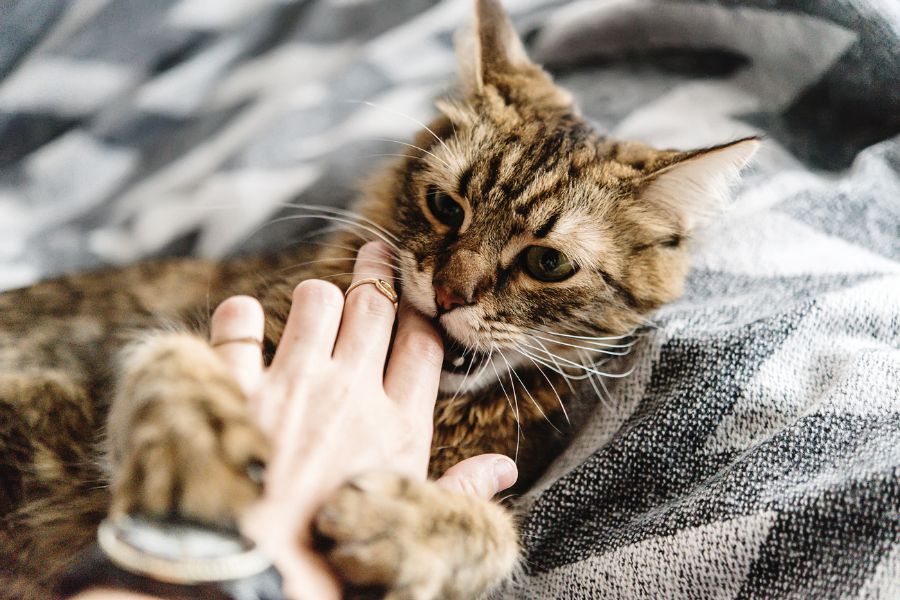
If your cat bites you unexpectedly, you’re not alone. Many pet owners often ask, “Why does my cat bite me?” Understanding cat biting behavior is essential to figuring out whether it’s a sign of affection, playfulness, or something more serious. In this guide, we’ll explain why cats bite their owners, what cat biting means, and how you can safely manage and prevent it at home.
Why Do Cats Bite Their Owners?
Cats are naturally expressive animals, but they communicate very differently from humans. Instead of using words, they rely on body language, sounds, and physical actions—including biting.
When a cat bites its owner, it usually falls into one of these categories:
- Communication: Your cat may be telling you to stop doing something
- Playfulness: Biting can be part of their hunting instinct
- Affection: Some bites are gentle and bonding
- Stress or fear: Defensive biting happens when a cat feels unsafe
Understanding cat biting behavior means paying attention to what’s happening right before and during the bite.
Is My Cat Biting Me Out of Love?
It may sound surprising, but sometimes your cat bite me experience is actually a sign of affection.
What Are “Love Bites”?
Love bites are gentle nibbles that don’t hurt or break the skin. Cats often use this behavior with other cats during grooming or bonding moments.
How to Recognize Them
- Soft, controlled bites
- Occur while petting or cuddling
- No aggressive signs like hissing or scratching
However, even affectionate bites can escalate if your cat becomes overstimulated.
Understanding Cat Biting Behavior During Play
One of the most common reasons cats bite their owners is play aggression.
Why Cats Play This Way
Cats are natural hunters. Even if your cat lives indoors, it still has instincts to stalk, chase, and bite prey. When your hands or feet move, they may trigger that instinct.
Signs Your Cat Is Playing
- Pouncing or stalking movements
- Chasing hands or ankles
- Quick, light bites
- High energy behavior
How to Manage Play Biting
- Always use toys instead of your hands
- Rotate toys to keep your cat interested
- Schedule regular play sessions to burn energy
- Avoid encouraging rough play
By redirecting their energy, you can reduce unwanted biting behavior.
Overstimulation: The Hidden Cause of Sudden Bites
A very common reason behind “cat bite me” moments is overstimulation.
Cats enjoy affection—but only up to a certain point. When they’ve had enough, they may bite as a warning.
Warning Signs to Watch For
- Tail flicking or swishing
- Ears turning backward
- Sudden muscle tension
- Skin twitching along the back
If you notice these signals, stop petting immediately. Ignoring them often leads to a bite.
Fear and Anxiety-Related Biting
Not all cat bites are playful or affectionate. Some are driven by fear.
Common Triggers
- Loud noises like fireworks or thunderstorms
- New visitors or unfamiliar pets
- Sudden movements
- Being picked up or handled too much
A scared cat may bite to protect itself. This is especially common in rescue cats or those not used to social interaction.
How to Help
- Give your cat a safe, quiet space
- Avoid forcing interaction
- Let your cat approach you on its own terms
Reducing stress can significantly improve behavior.
Medical Reasons Behind Cat Biting
Sometimes, understanding cat biting behavior requires looking at your cat’s health.
Cats in pain often become more sensitive and may bite when touched.
Possible Health Issues
- Dental pain
- Arthritis or joint discomfort
- Skin infections
- Internal illness
If your cat suddenly starts biting their owners without a clear reason, it’s important to consider a medical cause.
How to Stop Your Cat from Biting You
Training your cat to reduce biting takes time, but it’s absolutely possible with the right approach.
Effective Strategies
1. Redirect the Behavior
Use interactive toys instead of letting your cat play with your hands.
2. Learn Your Cat’s Limits
Stop petting before your cat becomes overstimulated.
3. Stay Consistent
React the same way every time your cat bites calmly and without punishment.
4. Reward Gentle Behavior
Offer treats or praise when your cat interacts without biting.
5. Provide Enrichment
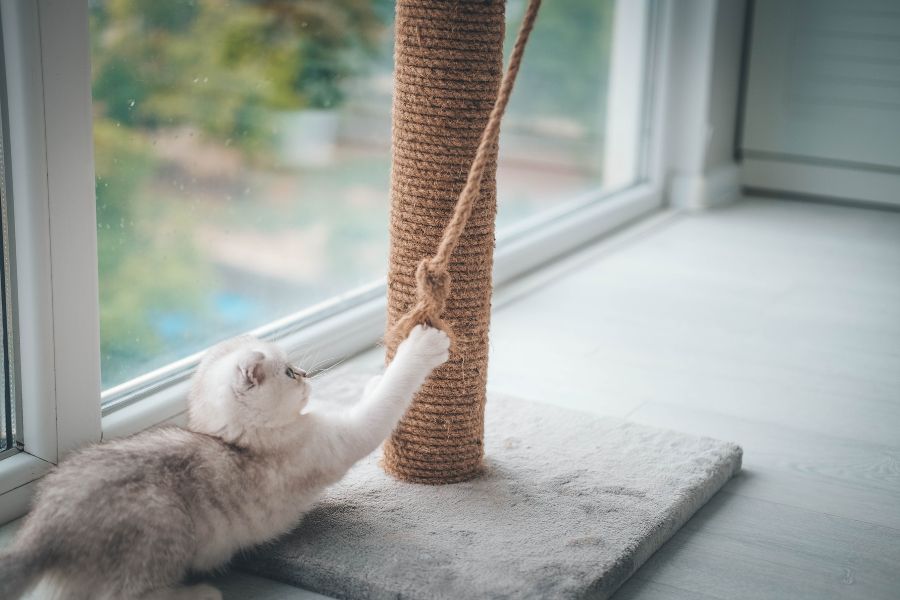
Scratching posts, climbing trees, and toys can reduce boredom and aggression.
When Should You Worry About Cat Bites?
While occasional bites are normal, some situations need attention.
Warning Signs
- Frequent or intense biting
- Bites that break the skin
- Sudden changes in behavior
- Signs of illness, such as lethargy or loss of appetite
Cat bites can also cause infections in humans, so they should never be ignored.
If biting becomes frequent, professional guidance is recommended. Cat owners in Barre can trust Onion River Animal Hospital; our vet team will identify any underlying issues and ensure your cat gets the care it needs.
How to Respond Safely When Your Cat Bites You
Your reaction plays a big role in shaping your cat’s future behavior.
What You Should Do
- Stay calm and avoid yelling
- Slowly move your hand away
- Stop interaction immediately
- Clean the wound if necessary
What You Should Avoid
- Don’t punish your cat physically
- Don’t encourage rough play afterward
- Don’t ignore repeated biting
Cats respond better to calm, consistent handling than punishment.
Conclusion:
If you’ve ever wondered, “Why does my cat bite me?” the answer depends on the situation. Cats bite their owners for many reasons: affection, play, overstimulation, fear, or even health issues. Understanding cat biting behavior helps you respond correctly and prevent future incidents.
By paying attention to your cat’s body language and providing proper training and care, you can build a safer and more trusting relationship. If biting becomes frequent or unusual, schedule a veterinary checkup at Onion River Animal Hospital and take smart steps to ensure your cat’s well-being.
FAQs:
Q1: Why does my cat bite me when I pet it for too long?
Ans: This is usually due to overstimulation. Cats have a limit for physical contact, and biting is their way of saying they’ve had enough.
Q2: Are cat bites a sign of affection?
Ans: Sometimes, gentle bites can be affectionate, often called love bites, especially during calm interactions like petting or cuddling.
Q3: How do I stop my cat from biting my hands?
Ans: Avoid using your hands as toys and redirect your cat to interactive toys to prevent play aggression.
Q4: Can a cat bite be dangerous?
Ans: Yes, cat bites can cause infections in humans, especially if they break the skin, so proper cleaning and care are important.
Q5: Why did my cat suddenly start biting me?
Ans: Sudden biting may indicate stress, fear, or a medical issue, and a veterinary checkup is recommended to rule out health problems.