Same-Day Appointments Available

Natural Ways to Reduce Storm Anxiety in Dogs and Cats
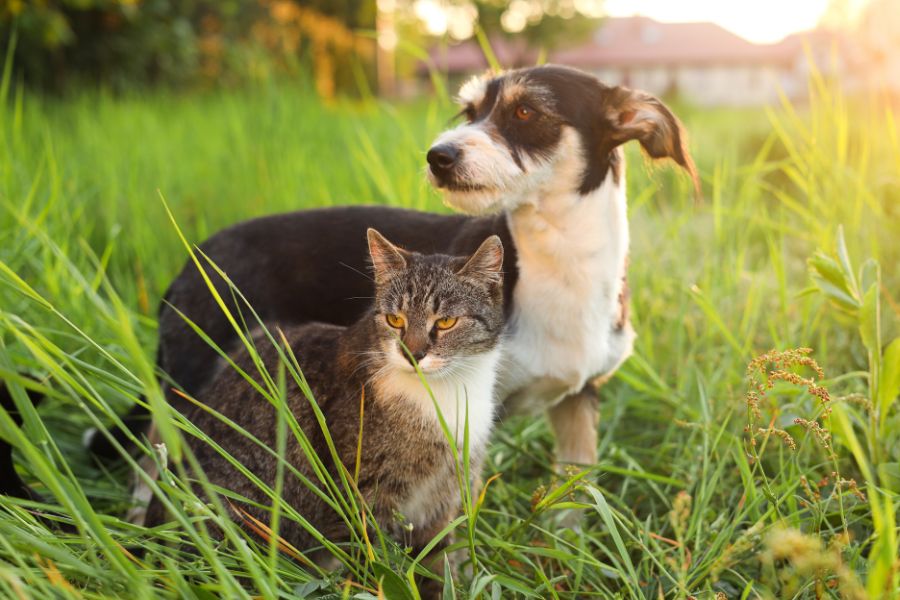
Thunder rumbles in the distance and your dog is already pacing, panting, and trying to squeeze under the bed. Storm anxiety in dogs is one of the most common behavioral concerns pet owners bring up, and cats can struggle with it too, just more quietly. Understanding why storms trigger this fear is the first step toward helping your pet feel safe. The good news is that several natural strategies can genuinely reduce the panic your pet feels when the sky darkens. This article covers what storm anxiety looks like, why it happens, and practical, vet-backed ways to calm your pet without relying solely on medication.
Understanding Storm Anxiety in Pets
Storm anxiety is a fear response triggered by thunder, lightning, wind, and even the barometric pressure changes that come before a storm arrives. Many pets sense a storm well before humans notice any clouds. This is why anxiety often starts long before the first thunderclap.
An estimated 30 to 40 percent of dogs show some signs of noise sensitivity or storm-related fear during their lifetime. Cats experience it too, though they tend to hide rather than display obvious distress. In our experience, storm anxiety often worsens with age if it goes unaddressed. Early, consistent management makes a real difference in how a pet copes over time.
Signs and Symptoms to Watch For
Storm anxiety can look different from one pet to another. Common signs include:
- Pacing or restlessness as the pet tries to find a safe spot
- Excessive panting or drooling, even in a cool room
- Hiding, especially in closets, bathrooms, or under furniture
- Destructive behavior, such as scratching at doors or walls
- Trembling or whining that starts before the storm is even audible
- Clinginess, where the pet follows you from room to room
Many dogs we see at Onion River Animal Hospital show a mix of these signs during even a mild thunderstorm. If you notice any of these signs, contact your veterinarian promptly, especially if the behavior is escalating over time.
Causes and Risk Factors
Storm anxiety often stems from a combination of genetics, past experience, and sensory sensitivity. Some breeds, including herding and sporting dogs, appear more prone to noise-related fears. A single frightening storm experience, especially early in life, can also create a lasting association between storms and danger.
Age plays a role as well. Senior pets sometimes develop new noise sensitivities due to changes in hearing or cognitive function. Vermont’s mountainous terrain can also intensify sudden pressure and wind changes during summer storms, which may make symptoms more noticeable here than in flatter regions.
How Storm Anxiety Is Diagnosed and Managed
Diagnosing storm anxiety usually starts with a conversation about your pet’s behavior patterns and a physical exam to rule out other causes of restlessness or pacing. Your vet will also ask about the timing and severity of episodes.
Management typically follows a step-by-step approach:
- Identify triggers by tracking which weather conditions cause a reaction.
- Create a safe space your pet can retreat to during storms.
- Introduce calming tools such as anxiety wraps or white noise machines.
- Reassess severity with your vet if natural methods are not enough on their own.
- Discuss additional options if symptoms remain severe despite consistent management.
One of the most common questions we get from pet owners is whether medication is always necessary. In many mild to moderate cases, natural approaches manage symptoms effectively without daily medication.
How Can I Calm My Dog During a Storm?
Stay calm yourself, since pets pick up on your energy. Provide a quiet, den-like space with familiar bedding, use a snug-fitting anxiety wrap, and play white noise or calming music to mask thunder. Avoid punishing fearful behavior, since this increases stress rather than reducing it.
Natural Prevention and Home Care Tips
Consistent, proactive care makes storms less overwhelming for your pet over time. Consider these approaches:
- Anxiety wraps or vests apply gentle pressure that has a calming effect on many dogs and cats.
- White noise or classical music can mask the sharp sound of thunder.
- Pheromone diffusers designed for dogs or cats may help create a sense of calm at home.
- Desensitization recordings of storm sounds, played at low volume and gradually increased, can reduce sensitivity over weeks.
- A designated safe room with blackout curtains and familiar bedding gives your pet a predictable retreat spot.
Pet owners often tell us they assume storm anxiety is something a pet will simply grow out of. In reality, without intervention, it frequently gets worse rather than better. Onion River Animal Hospital recommends starting natural interventions early, ideally before storm season peaks, so your pet has time to adjust.
Managing storm anxiety in dogs takes patience, consistency, and the right combination of tools. Natural strategies like safe spaces, anxiety wraps, and calming sounds can meaningfully reduce your pet’s fear response without immediate reliance on medication. If symptoms persist or worsen, a conversation with your vet can help determine whether additional support is needed. Onion River Animal Hospital is here to help you build a calming plan tailored to your pet. Book an appointment today.
Frequently Asked Questions
Q: What causes storm anxiety in dogs?
Ans: Storm anxiety is caused by a combination of genetics, past experiences, and sensitivity to noise, wind, and pressure changes. Some breeds and older pets are more prone to developing it.
Q: Do cats get scared of storms too?
Ans: Yes, cats can experience storm anxiety, though they often hide quietly rather than showing obvious distress like pacing or whining. Watch for hiding, reduced appetite, or clinginess during storms.
Q: Are anxiety wraps actually effective for pets?
Ans: Many pets respond well to the gentle, consistent pressure anxiety wraps provide, which can have a calming effect similar to swaddling. Results vary by pet, so it may take a few tries to see improvement.
Q: Can storm anxiety get worse over time?
Ans: Yes, without intervention, storm anxiety often intensifies as pets build stronger negative associations with each stressful event. Early management typically leads to better long term outcomes.
Q: When should I see a vet about my pet’s storm anxiety?
Ans: You should contact your veterinarian if symptoms are severe, escalating, or interfering with your pet’s quality of life. A vet can help determine whether natural methods are sufficient or if additional support is needed.