Same-Day Appointments Available


Signs Your Cat Is Overweight and What You Can Do
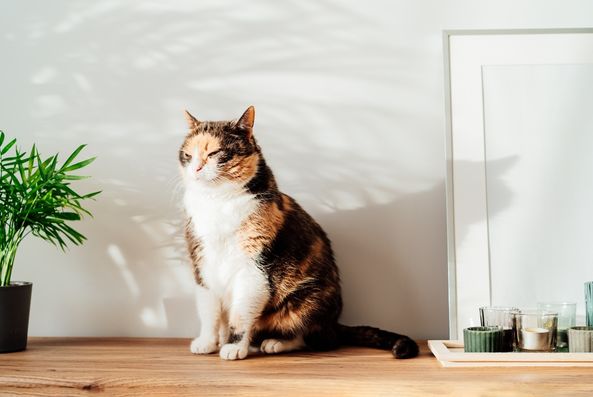
Your cat seems happy sleeping in sunbeams, purring at dinner, padding over to greet you. But lately, you have noticed something. The belly hangs a little lower. She moves a little slower. You find yourself wondering: is my cat overweight? It is one of the most common concerns we hear from cat owners, and it is worth taking seriously. Excess weight in cats is not just a cosmetic issue. It affects their joints, organs, energy, and lifespan. Recognizing the overweight cat signs early puts you in a position to actually help. This article walks you through what to look for, why it happens, what the health consequences are, and what you can do starting today. The good news: with the right guidance, weight loss in cats is absolutely achievable.
How Do I Know If My Cat Is Overweight?
A healthy adult cat should have ribs you can feel with light finger pressure but cannot see. You should notice a visible waist when you look at your cat from above, and the belly should tuck upward slightly when viewed from the side. If the ribs are buried under a thick layer of fat, the waist has disappeared, or the belly sags and swings when your cat walks, those are clear overweight cat signs. Your veterinarian can confirm with a body condition score at your cat’s next visit.
Common Physical Signs That Your Cat Has Gained Too Much Weight
Some changes are easy to spot. Others require you to look and feel a little more carefully. Here are the most reliable signs:
- No visible waist from above. A healthy cat tapers at the midsection. An overweight cat looks like an oval or rectangle from above.
- Difficulty grooming. Cats that cannot reach their back, tail base, or hindquarters are often limited by their size. Matted fur or a greasy coat in those areas is a common signal.
- Labored breathing after light activity. Climbing a cat tree or playing for a few minutes should not leave your cat winded.
- Reluctance to jump. Cats naturally leap. When they start avoiding furniture or landing awkwardly, extra weight is often the cause.
- Soft, pendulous belly. All cats have some belly fat, but if it sways noticeably when they walk, that is excess fat, not just loose skin.
Pet owners often tell us they did not notice the weight gain because it happened gradually over months or years. That is completely normal. Many cats we see in our exam rooms are significantly above their healthy weight for cats without their owners realizing it until a routine checkup.
Why Cats Gain Weight: Causes and Risk Factors
Understanding why your cat gained weight helps you make the right changes. The most common reasons include:
Too many calories. Free-feeding dry kibble is one of the leading contributors to feline obesity. Cats are grazers by instinct, but the calorie density of most commercial kibble adds up quickly when the bowl is always full.
Not enough activity. Indoor cats, especially those without enrichment, spend most of their day sleeping. Without physical stimulation, they burn very few calories.
Age and hormonal changes. Older cats have slower metabolisms. Spayed and neutered cats also tend toward weight gain if their food intake is not adjusted after the procedure.
Breed and genetics. Some breeds, including domestic shorthairs, are more prone to weight gain than others. In Vermont, where many cats are kept strictly indoors through long winters, reduced activity during cold months contributes to seasonal weight creep.
We frequently remind our clients that overweight cat health risks go far beyond appearance. Obese cats face significantly higher rates of diabetes, arthritis, urinary disease, and fatty liver disease. Studies suggest that overweight cats may live two to five fewer years than cats maintained at a healthy weight. That is a meaningful difference.
Health Risks of Carrying Extra Weight
Extra pounds place real stress on your cat’s body. These are the conditions we most commonly see associated with feline obesity:
- Type 2 diabetes. Fat tissue interferes with insulin sensitivity. Overweight cats develop diabetes at a much higher rate than lean cats.
- Osteoarthritis. Excess weight accelerates joint wear. Cats hide pain well, so arthritis often goes unnoticed until mobility is already affected.
- Hepatic lipidosis. When an obese cat stops eating, even briefly, the liver becomes overwhelmed processing stored fat. This condition is life-threatening and moves fast.
- Urinary tract disease. Overweight cats are more prone to blockages and inflammation in the lower urinary tract.
- Heart and respiratory strain. Fat deposits around the chest cavity restrict lung expansion and put pressure on the heart.
The overweight cat health risks listed above are not inevitable. They are largely preventable with weight management.
What You Can Do to Help Your Cat Lose Weight Safely
Cat weight loss should be gradual. Rapid weight loss in cats is dangerous and can trigger the very liver disease we mentioned above. Here are proven, safe cat weight management tips:
- Measure every meal. Switch from free-feeding to scheduled portions. Your vet can calculate the right daily calorie target based on your cat’s current weight and goal weight.
- Choose a weight management or high-protein diet. High-protein, lower-carbohydrate foods help cats feel full and maintain muscle while losing fat. Avoid crash diets or diet foods with poor ingredient quality.
- Add interactive play. Two 10-minute play sessions daily with a wand toy or laser pointer significantly increases calorie burn and mental stimulation.
- Use food puzzles. Slow feeders and puzzle feeders make your cat work for meals, reducing eating speed and increasing activity.
- Weigh your cat monthly. A kitchen scale works well for small cats. Track progress and adjust portions based on results.
One misconception we correct regularly: cutting your cat’s food dramatically is not the right approach. Severe calorie restriction is dangerous. A slow, steady reduction of 10 to 20 percent of calories, guided by your veterinarian, is the safest path to a healthy weight for cats.
At Onion River Animal Hospital, we help cat owners in Berlin, build realistic, safe weight loss plans that account for each cat’s health history, current body condition, and lifestyle. We also provide veterinary care for cats at every life stage, from kitten wellness visits to senior health monitoring. Whether your cat needs a weight check, a nutrition consultation, or a full physical, our team is here to support you and your pet.
Conclusion
Catching and addressing weight gain early makes a real difference in your cat’s long-term health and comfort. Watch for the physical signs, understand the causes, and take action with measured meals, daily play, and regular vet checkups. Recognizing the overweight cat signs is the first step. The next step is getting the right support to do something about it. Onion River Animal Hospital is here to help you build a plan that works for your cat’s specific needs and health history. Do not wait for weight-related illness to develop before addressing the problem. Book an appointment today.
Frequently Asked Questions
Q: How can I tell if my cat is overweight at home?
Ans: Run your fingers along your cat’s sides. You should feel the ribs easily with light pressure. If you cannot feel them without pressing firmly, your cat is likely overweight. A disappearing waist and a swinging belly are also reliable visual signs.
Q: What is a healthy weight for an average adult cat?
Ans: Most domestic cats should weigh between 8 and 10 pounds, though this varies by frame size and breed. Your veterinarian uses a body condition score rather than a number on the scale to determine whether your cat is at a healthy weight.
Q: How do I help my cat lose weight without making them sick?
Ans: Never drastically cut your cat’s food. Work with your vet to calculate a safe daily calorie target, switch to scheduled meals, and introduce gentle activity like interactive play. Aim for slow, steady weight loss of no more than half a pound per month.
Q: Why do cats gain weight after being spayed or neutered?
Ans: Spaying and neutering lowers hormone levels that influence metabolism and activity. Cats may become less active and require fewer calories after the procedure. Adjusting food portions after surgery helps prevent weight gain.
Q: When should I take my overweight cat to the vet?
Ans: Any time you suspect your cat is overweight is the right time to schedule a visit. If your cat is also showing signs like labored breathing, reluctance to move, difficulty grooming, or changes in urination, seek prompt veterinary attention.